

Key points:
- Learn how sensory integration therapy supports emotional regulation, daily skills, and confidence for children with autism through practical, family-friendly approaches.
- Understand simple sensory strategies families can use at home to reduce overwhelm, improve focus, and create calmer routines without clinical jargon.
- Explore realistic outcomes, timelines, and support options to help families make informed decisions about sensory-based care.
Sensory sensitivities can affect sleep, attention, and emotional regulation. Many autistic children struggle to process sounds, textures, or movement, leading to stress and avoidance.
Sensory integration therapy supports sensory processing treatment by helping children respond more comfortably to sensory input. Often paired with occupational therapy autism approaches, this therapy includes calming sensory activities, sensory breaks, strategy planning, and multisensory engagement. Tools such as fidget tools, autism programs, weighted blankets benefits, and sensory rooms setup can support regulation throughout the day.
Understanding how sensory input strategies affect behavior helps families create more supportive environments.
Understanding Sensory Processing in Autism
Sensory processing refers to how the brain receives, organizes, and responds to information from the senses. Many autistic children experience sensory input differently, which may show up as overreacting or underreacting to everyday experiences. This difference is not a behavior choice but a neurological response.
Common sensory challenges include sensitivity to noise, avoidance of certain clothing textures, or seeking intense movement. These experiences can affect sleep, meals, learning, and social interactions. sensory processing treatment helps children gradually build tolerance and understanding of sensory input, making daily routines more manageable.
When sensory needs go unmet, children may become overwhelmed or withdrawn. When supported properly, they can feel safer, more regulated, and better able to engage with their environment.
What Sensory Integration Therapy Involves
sensory integration therapy is usually guided by trained professionals and often overlaps with occupational therapy autism programs. Sessions are designed as playful, goal-directed activities that encourage the brain to process sensory input more effectively.
Activities may involve swinging, climbing, textured materials, or rhythmic movement. The focus is not forcing tolerance but offering structured opportunities to explore sensations in a supportive way. Over time, the nervous system learns to respond more calmly.
Families often appreciate that therapy feels like play while addressing real-life challenges such as dressing, transitions, and emotional regulation.
Core Benefits for Children and Families
Sensory-based therapy supports both children and caregivers by reducing stress and improving participation in everyday life. Benefits tend to build gradually and vary by child.
Key benefits include:
- Improved emotional regulation and fewer meltdowns
- Increased attention and readiness to learn
- Better body awareness and coordination
- More comfortable participation in daily routines
Parents often notice improvements at home first, such as smoother mornings or calmer evenings. These small changes can significantly improve family quality of life.
Common Sensory Techniques Used in Therapy
Therapy techniques are selected based on individual sensory profiles. No single approach fits every child. Many strategies can also be adapted for home use.
Popular approaches include:
- Movement activities like swinging or bouncing
- Tactile play with sand, water, or soft fabrics
- Deep pressure through hugs or compression tools
- Balance and coordination games
These methods promote multisensory engagement, helping children integrate information from multiple senses at once in a safe, enjoyable way.
Calming and Soothing Sensory Strategies
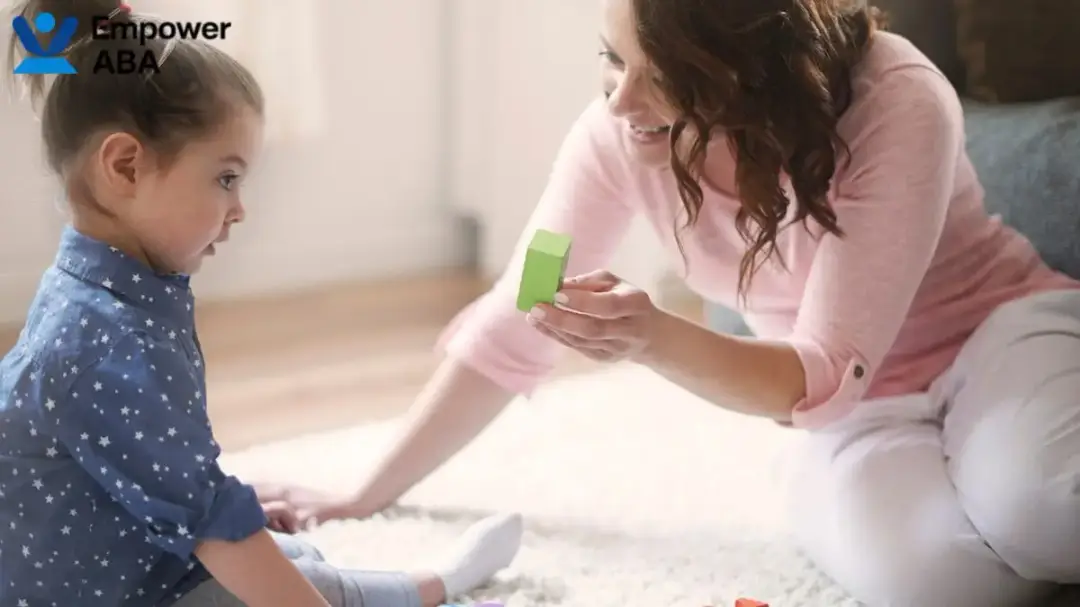
Some children seek calm while others seek stimulation. Understanding this difference helps families choose the right supports. Soothing techniques for autism focus on reducing sensory overload and supporting emotional balance.
Helpful calming strategies include:
- Quiet spaces with dim lighting
- Slow rhythmic movements
- Soft music or white noise
- Deep pressure input
Calming sensory activities can be built into daily routines, such as before bedtime or after school, to prevent escalation and promote relaxation.
Practical Sensory Input Strategies at Home
Home-based strategies are essential because children spend most of their time outside therapy sessions. Sensory input strategies can be simple, affordable, and effective.
Ideas families often use include:
- Scheduled sensory breaks strategy during homework or chores
- Access to fidget tools autism for focus and self-regulation
- Movement breaks like jumping or stretching
- Heavy work tasks such as carrying groceries
Consistency matters more than complexity. Small, repeated supports often create meaningful change over time.
Creating Supportive Sensory Environments
A thoughtfully designed environment can reduce stress and support independence. Many families choose to create calming areas at home inspired by sensory rooms setup principles.
Key elements include:
- Soft seating or crash pads
- Adjustable lighting
- Textured objects for tactile exploration
- Clear organization to reduce visual clutter
The goal is not a perfect room but a predictable, comforting space where children can reset when overwhelmed.
Weighted Tools and Deep Pressure Support
Deep pressure input can be grounding for many autistic children. Weighted blankets benefits include promoting relaxation, improving sleep quality, and reducing anxiety when used appropriately.
Weighted items should always match the child’s size and tolerance. Families often introduce them gradually during quiet activities rather than all-day use. When used thoughtfully, these tools can become part of a calming routine that supports emotional regulation.
Expected Outcomes and Progress Timelines
Progress with sensory-based support is gradual and individualized. Some children show changes within weeks, while others need months of consistent input. Outcomes depend on sensory needs, frequency of practice, and family involvement.
Families may notice:
- Increased tolerance for daily activities
- Improved transitions between tasks
- Greater emotional awareness
- More independence over time
The focus remains on functional improvements that matter to daily life, not perfection or eliminating all sensitivities.
Sensory Support Across Different Settings
Sensory needs do not stop at home. Schools, community spaces, and public environments also play a role. Collaboration helps ensure consistency.
Helpful supports across settings include:
- Movement opportunities during school days
- Quiet zones in busy environments
- Clear expectations and visual cues
- Respect for sensory preferences
Families can advocate for sensory accommodations that allow children to participate meaningfully without unnecessary stress.
Accessing Regional Sensory Support Services
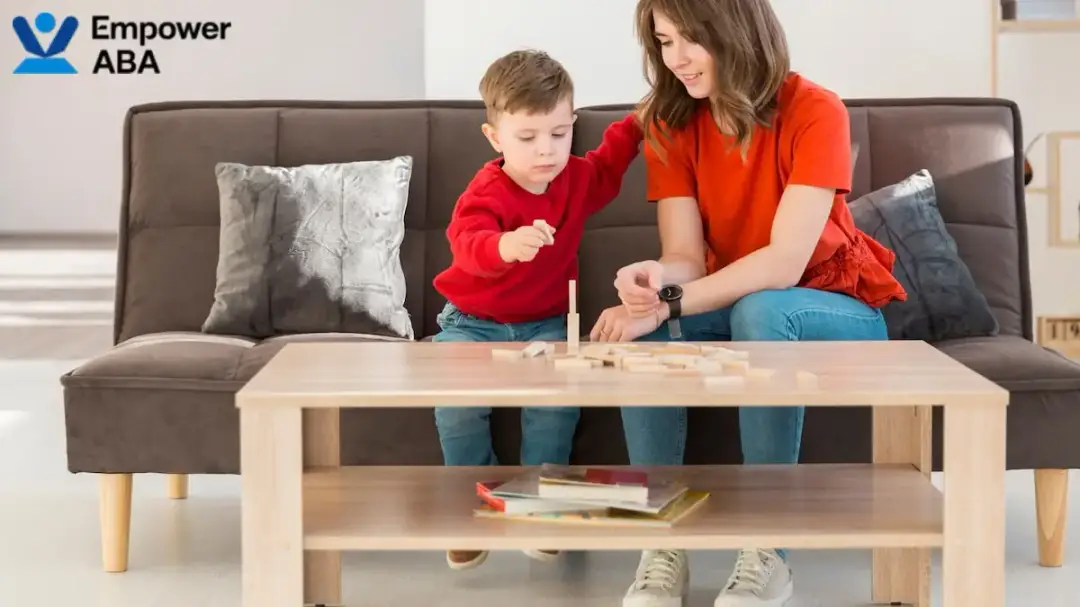
Families often look for local guidance when exploring therapy options. Many regions offer programs focused on sensory-based care, including New York sensory therapy services and Virginia autism sensory support options. Availability varies, but early exploration helps families plan effectively and connect with supportive communities.
Simple Sensory Tools and Their Uses
| Sensory Tool | Primary Purpose | Everyday Use Example |
| Weighted blanket | Calming, sleep support | Bedtime routine |
| Fidget tools | Focus, regulation | Homework time |
| Therapy ball | Movement input | Active play breaks |
| Noise reduction headphones | Auditory comfort | Public outings |
FAQs
How do I know if my child needs sensory integration therapy?
Children who struggle with daily routines, emotional regulation, or extreme reactions to sounds, textures, or movement may benefit. An evaluation can help identify sensory patterns and guide supportive strategies at home.
Can sensory strategies replace other autism supports?
Sensory approaches complement, not replace, other supports. They work best alongside educational and behavioral strategies, helping children feel regulated enough to learn, communicate, and engage more successfully.
Are sensory activities safe to do at home without professionals?
Many basic sensory activities are safe when introduced gradually and observed carefully. Families should follow the child’s cues, avoid forcing participation, and seek guidance if unsure about specific tools or techniques.
Supporting Regulation Through Purposeful Sensory Care
Sensory challenges affect how children learn, play, and connect with others. Empower ABA integrates sensory integration therapy into ABA programming to support emotional regulation, focus, and daily comfort. Our approach combines sensory processing treatment with calming sensory activities, structured sensory breaks strategy planning, and multisensory engagement that fits naturally into a child’s routine.
We guide families in using sensory input strategies such as fidget tools, autism supports, weighted blankets benefits, and sensory-friendly spaces to create predictable, soothing environments. These tools help children feel more secure and ready to engage in learning.
Families seeking New York sensory therapy services or Virginia autism sensory support can rely on Empower ABA for personalized, evidence-based care.
Reach out today to explore how sensory-informed therapy can support your child’s well-being and independence.