
Key Takeaways:
- School refusal in autism in New Jersey often comes from sensory overload, anxiety, or unmet support needs, not defiance.
- ABA therapy uses gradual exposure, communication tools, and reinforcement to rebuild a child’s tolerance for school.
- Early intervention in school avoidance prevents months of missed learning and long-term mental health struggles.
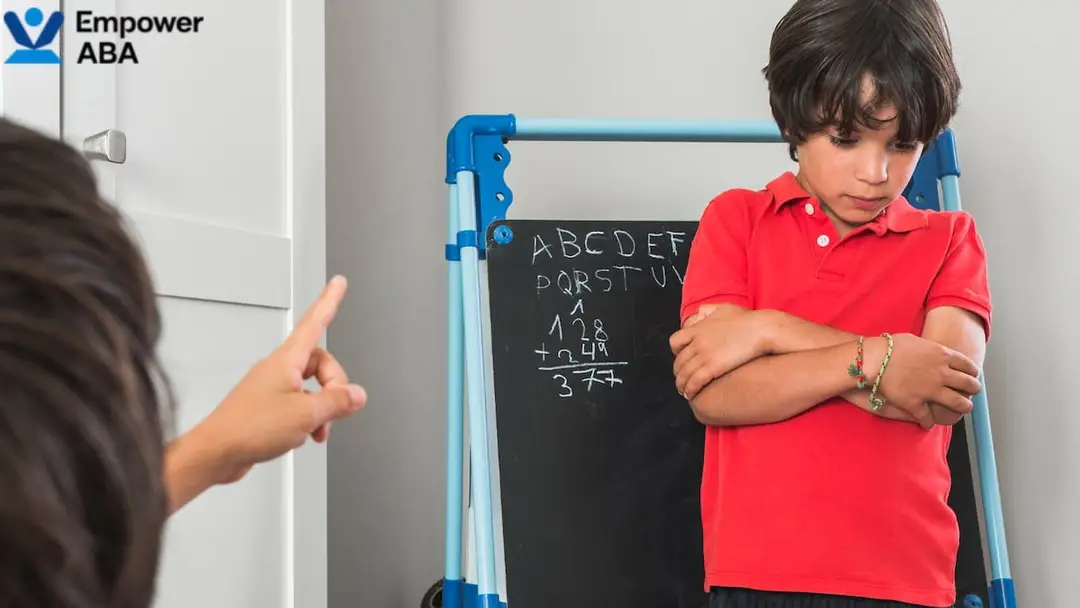
School mornings can become war zones. The screaming, the stomachaches, the locked bathroom door. School refusal in autism in New Jersey is more common than most families realize, and it is rarely about being lazy. Something at school is overwhelming your child, and their body is telling you no.
ABA therapy in New Jersey can help you uncover what is driving the refusal and rebuild your child’s ability to handle the school day. This guide breaks down the why, the what, and the how, with steps that work for families in both New Jersey and Virginia.
What School Refusal Looks Like in Autistic Kids
School refusal is when a child consistently struggles to attend or stay at school. For autistic kids, it can show up in many ways:
- Crying, tantrums, or full meltdowns before school
- Frequent complaints of stomachaches, headaches, or feeling sick
- Begging to stay home, hiding, or running away from the car
- Sleep problems on school nights
- Trying to leave class once they get to school
Research from university disability centers shows school refusal affects an estimated 5 to 28 percent of school-age children, and rates are higher among autistic children. Many of these kids are not avoiding learning. They are avoiding overload. Co-occurring autism and anger in adolescence can also amplify refusal during middle and high school years.
Why Autism School Anxiety in New Jersey Happens
Autism school anxiety in New Jersey usually has more than one cause. Pinning down the trigger takes patience.
Sensory Overload
Schools are loud, bright, and unpredictable. Fluorescent lights, fire drills, crowded hallways, gym class. For an autistic child with sensory sensitivities, every transition can feel like an assault.
By the time class ends, their nervous system is wrecked. Add in lunch noise and unstructured recess, and refusal makes sense.
Social Demands
Group work, lunch tables, and free time all require fast social processing. If your child struggles to read tone, follow conversations, or handle teasing, school becomes a daily endurance test. Support, like a social skills group, can lower the social pressure and rebuild confidence.
Unmet Academic Support
If the work is too hard or the supports listed in the IEP are not being delivered, refusal often follows. Kids cannot say ‘my accommodations are missing.’ They show it through their behavior. Always check whether IEP services are actually happening daily.
Autistic Child Refusing School in Virginia: First Steps to Take
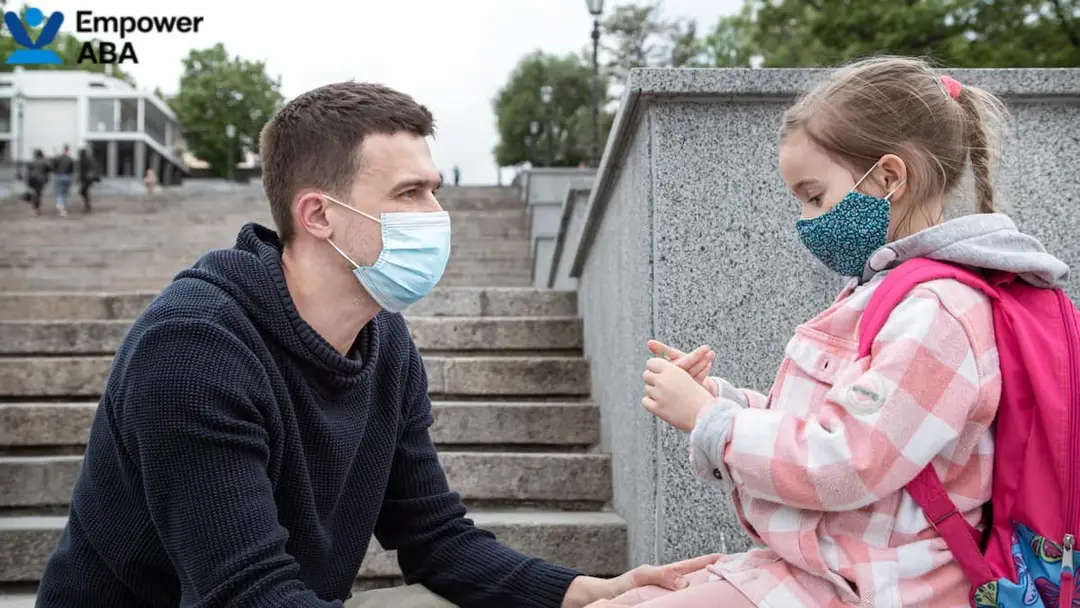
When an autistic child in Virginia or New Jersey refuses to go to school, parents often feel paralyzed. Here is what to do in the first week.
First-week actions:
- Rule out medical causes with a pediatrician visit
- Email the school requesting a meeting within 5 days
- Write down every behavior, time of day, and trigger
- Avoid punishing the refusal, which usually makes it worse
- Reach out to a BCBA who has handled school refusal cases
Acting fast matters. The longer a child stays home, the harder the return becomes. Families in Virginia often pair private ABA with school-team coordination to address the issue from both sides.
ABA Therapy for School Refusal in NJ: How It Actually Works
ABA therapy for school refusal in NJ starts with assessment. A BCBA observes the child, interviews caregivers, and reviews school data. Then they build a plan that targets the why, not just the behavior.
Functional Assessment
The BCBA figures out what the refusal is communicating. Is it escape from sensory overload? Avoidance of a specific class? Anxiety about transitions? This is sometimes connected to functional communication gaps where the child cannot ask for what they need.
Gradual Exposure
Once the cause is clear, the team builds a step-by-step plan to rebuild tolerance. It might look like:
- Day 1 to 5: drive to school, sit in the parking lot, then go home
- Day 6 to 10: walk to the school door with a preferred item
- Day 11 to 15: enter the building for 15 minutes during a low-demand time
- Day 16 to 20: stay for one favorite class
- Day 21+: build to a full schedule with breaks built in
This is not bribery. It is desensitization paired with reinforcement, which means rewarding small steps so the brain rewires the school experience from threat to manageable.
Communication Tools
ABA teaches your child to request breaks, ask for help, or use a visual to signal overload. When they can communicate what they need, they do not need to refuse to be heard.
School Avoidance in Autism in Virginia: Coordinating With the School Team
School avoidance in autism in Virginia and NJ improves faster when the school team is on board. ABA cannot fix what the school keeps recreating each day.
Push for these changes:
- A sensory break pass your child can use without asking
- A safe person on site (counselor, aide, or specific teacher)
- Modified schedule with built-in regulation time
- Quiet lunch option
- Reduced homework load while reintegration happens
If accommodations are missing, request an IEP meeting in writing. You can read more on coordinating ABA with school IEPs to make sure home and school speak the same language.
Helping an Autistic Child Attend School in NJ Through Home Strategies
Helping an autistic child attend school in NJ is a family effort. The BCBA leads, but parents apply the tools daily.
Morning Routine Reset
Predictable mornings reduce friction. Use a visual schedule. Lay clothes out the night before. Build a calm wind-down routine the night before to support a stable autism morning routine that doesn’t start with chaos.
Reinforce Small Wins
Did your child put their shoes on without arguing? Notice it. Did they get in the car? Celebrate. Strong reinforcement turns the morning from a fight into a series of tiny achievements that pile up over weeks.
Build a Recovery Routine
School drains autistic kids. Plan downtime after pickup. Limit demands for the first hour. Quiet snack, low-stim activity, no homework right away. A regulated child after school is a child more willing to go again tomorrow.
ABA Therapy for School Refusal Support in Virginia and New Jersey: Telehealth Options
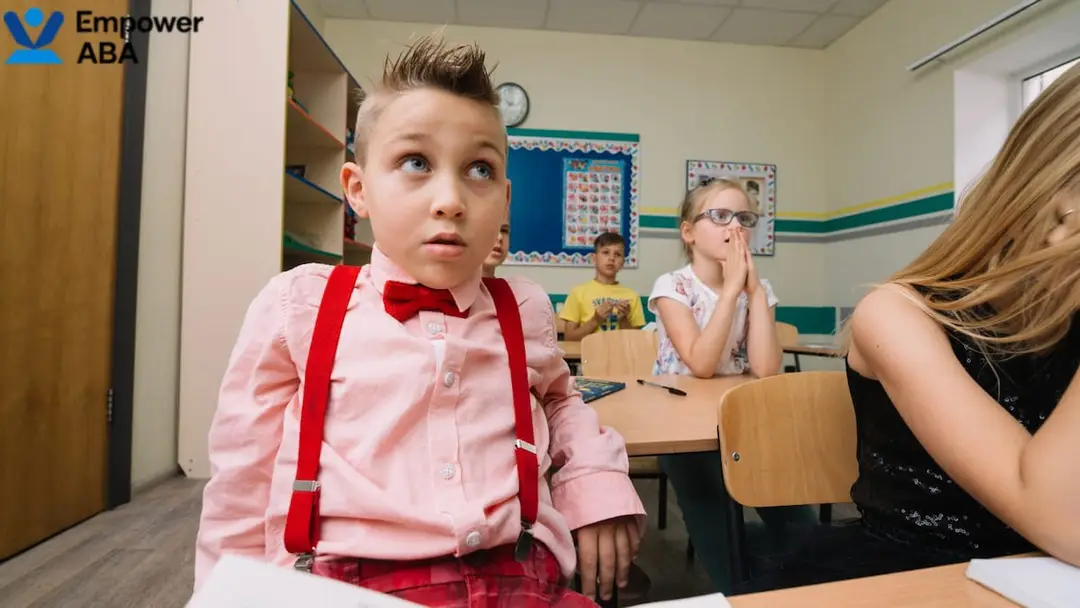
ABA therapy for school refusal support in Virginia and New Jersey is also available virtually for families who need flexibility. Telehealth ABA works well for parent coaching, especially during the early stages when a child is still home.
Telehealth use cases:
- Coaching parents through the morning routine
- Walking through after-school regulation strategies
- Supporting IEP meeting prep
- Building visual supports together with the family
- Maintaining progress during weather or scheduling disruptions
Virtual sessions paired with in-person work in the home or community give families a fuller plan without burning everyone out.
Frequently Asked Questions
1. Is school refusal a real diagnosis?
It is not a standalone diagnosis but a recognized behavioral pattern. It often co-occurs with anxiety, autism, or depression. Treatment focuses on the underlying causes rather than the refusal behavior itself.
2. Should I force my autistic child to go to school?
Pure force usually backfires. It increases trauma and damages trust. A gradual, reinforced re-entry plan with the school’s cooperation is more effective and protects your child’s mental health over time.
3. Can ABA address school refusal in older kids and teens?
Yes. Teens benefit from ABA tailored to executive function, self-advocacy, and anxiety management. The plan looks different from younger kids and often pairs ABA with mental health counseling for the best results.
4. How long does it take to resolve school refusal?
It varies. Some kids return in 4 to 6 weeks with consistent support. Others take a full semester. The pace depends on the causes, school cooperation, and how quickly you got help when the refusal started.
5. Will insurance cover ABA for school refusal?
Most insurance plans in NJ and VA cover ABA for autistic children when prescribed for medically necessary goals. School refusal connected to autism usually qualifies. Verify with your provider and document medical necessity.
Get Mornings Back Without Losing Your Mind
School refusal does not mean your child is broken or lazy. It means something is too much, and they need new tools to handle it. With the right plan, mornings can shift from battles to routines, and school can become a place your child can actually handle, even on hard days.
Empower ABA works alongside families in New Jersey and Virginia to uncover what is driving school refusal and build a clear path back. Our team coordinates with schools, coaches, parents, and supports kids without forcing them. You do not have to dread Monday mornings forever.
Contact us today to start building a school plan that respects your child’s needs and protects your whole family’s wellbeing.