
Key Points:
- Autism social skills assessments reveal strengths through everyday behaviors and structured observation tools.
- Multiple reports and direct interactions combine to create a clear, comprehensive social profile.
- Results guide personalized goals that improve connection, emotional understanding, and real-life interactions.
Social skills shape how kids connect. They help children join games, understand emotions, and spark friendships. An autism social skills assessment offers a simple way to see how a child interacts with the world.
Families often seek clear insight. They want to know which skills shine and which need gentle support. This guide breaks the process into easy steps. It combines research with daily observations. Each moment provides clues about how a child learns to connect.
Imagine a few small tools opening new doors for social growth. This guide shows how to explore that possibility with confidence.
What This Assessment Really Measures
Kids show social abilities in different ways. Some engage with peers easily. Others hang back. Some jump in but miss key cues. Research by Kasari and Locke highlights that structured tools reveal patterns adults often overlook.
These tools help adults notice how children respond in conversations. They also show how kids use nonverbal cues. A well-built assessment checks three main areas:
- Cognitive skills – how children process information and understand others’ thoughts.
- Behavioral skills – how they act during social interactions.
- Affective or emotional skills – how they understand and express feelings.
Each area offers unique insight. You gain a clear picture of how a child interprets feelings and navigates real-life interactions. It’s practical, simple, and effective.
Why Social Skills Need Structured Evaluation
Studies by Bauminger and Shulman show children with autism often interpret social cues differently. They might notice a smile but miss tone. They may speak passionately yet misread body language.
Why does this matter? Every missed cue can create uncertainty in interactions.
Structured assessments break social skills into smaller, manageable pieces. They show:
- Which tasks the child enjoys
- Which tasks cause hesitation
Assessing both familiar and new settings is key. The goal is simple: highlight strengths while supporting skills that need practice.
Four Sources Used in the Assessment
Reliable assessments pull data from four main sources. Each adds a unique perspective.
1. Parent Report
Parents see real-life moments. They know what sparks joy and when the child prefers quiet. Their observations reveal patterns across routines.
2. Teacher Report
Teachers watch interactions in busy settings. They notice lunch conversations, recess choices, and responses during group activities. Ostmeyer and Scarpa’s research shows peer settings reveal many social challenges.
3. Observation
A trained observer watches the child in natural settings. They note reactions, participation, and responses to sudden changes. Observation captures details parents and teachers might miss.
4. Direct Child Interaction
Structured one-on-one tasks show how the child thinks, reacts, and communicates. It’s calm, hands-on, and informative.
Together, these four sources create a full picture that a single test cannot provide.
Inside the Direct Child Interaction Tasks
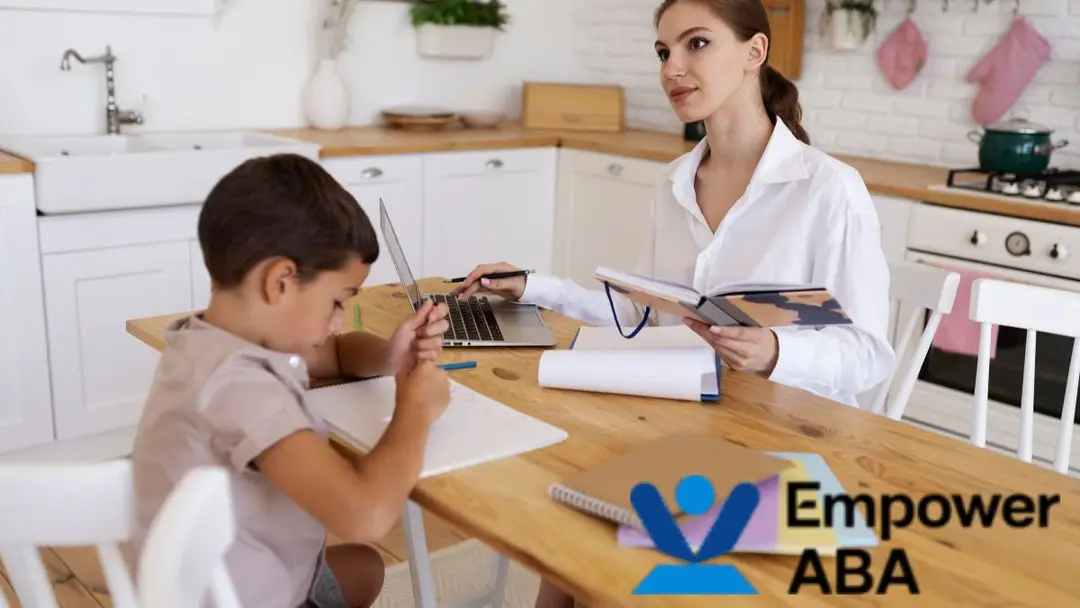
Direct interaction tasks are designed to feel like play. They reveal how children handle real social moments.
Conversation Task
Open-ended questions build rapport. They also show how the child responds in casual conversation. Eye contact, tone, and gestures are all observed.
Social Understanding Task
Picture-based activities help children match expressions with emotions. Research by Baron-Cohen shows emotional mapping can improve recognition of hidden cues.
Role Plays
Mini-stories help children practice asking for toys or responding to invitations. Role plays show how well they start and maintain interactions.
Social Motivation Task
Children select activity cards to show preference for solo or group play. Choices reveal natural social interest.
Joint Attention and Context Skills
Joint attention means sharing focus with another person. A child looks at an object, then the adult. This small shift shows awareness.
In one task, children answer questions from a picture card. They must notice the examiner can’t respond without seeing the card. This shows perspective-taking.
Other tasks involve photos of real-life scenes. Children must use context to answer. Focusing on a single detail rather than the full scene is noted. These insights guide targeted goals.
Parent Rating Forms
Parent forms include:
- Problem Behavior Rating Scale – Rates challenging behaviors that can affect friendships.
- Social Skills Survey – Shows frequency of peer interaction at home.
- Social Skills Rating Form – Measures perspective-taking, initiating interactions, and maintaining conversations.
These forms map social needs in home settings.
Teacher Rating Forms
Teachers complete similar forms to provide school-based insight.
- Problem Behavior Rating Scale – Identifies behaviors that affect peer interactions.
- Social Skills Survey – Lists peer opportunities during school.
- Rating Form – Scores affective understanding and perspective-taking.
Comparing school and home data reveals patterns. Strengths and needs become clear.
What Makes This Assessment Unique?
Many tools measure general behavior. This tool focuses on detailed social tasks. Each child’s journey is unique. Studies by Koenig and Rubin show children with autism benefit from individualized goals. This assessment helps create those goals by matching skills to real needs.
It covers three key domains:
- Understanding feelings
- Behavior during interactions
- Emotional insight
The mix of tasks gives a balanced view. Plans can fit each child rather than using a generic model.
Breaking Down the Domains
The autism social skills assessment highlights three areas that guide interventions:
1. Cognitive Area
Shows how children interpret feelings and think about relationships. Perspective-taking tasks fit here.
2. Behavioral Area
Shows how children act in real interactions. Includes initiating play and responding in conversations.
3. Affective Area
Focuses on emotions. Children learn to label feelings and match cues to real events.
Using Results for Social Goals
Once the assessment is complete, teams review patterns. Goals are set in simple, actionable terms, such as:
- Start a conversation with one peer twice a week
- Answer two back-and-forth questions
- Notice a friend’s facial expression during play
- Use a gesture to express a need
Small steps create steady progress.
Why School Teams Use It for IEPs
Schools rely on measurable data. The assessment translates observations into points that track growth.
Example IEP goals:
- “Student will start play with a classmate two times during recess for three weeks.”
- “Student will respond to greetings from peers four times per day for a month.”
This clarity helps teachers, families, and kids see tangible progress.
How Results Support ABA Programs
ABA therapy focuses on targeted steps. The assessment guides which strategies to use.
If a child struggles with reciprocity, therapists may try:
- Turn-taking games
- Scripted exchanges
If a child avoids peers, therapists may use:
- Structured introductions
- Short group tasks
If behavior interrupts interactions, they may introduce:
- Replacement behaviors
- Emotion-regulation tools
Wong and Kerns’ research shows targeted plans help children use skills beyond therapy.
Community-Based Skills Assessment
For teens, additional tools evaluate life skills. Areas include:
- Career interests
- Self-advocacy
- Health routines
- Social connections
- Money management
- Transport and recreation
- Home living
This helps create smooth transitions to adulthood. Parents can see which skills need support.
Autism Social Skills Assessments in Real Life
Example 1: Sam
Sam loves robots and talks passionately about them. He struggles to shift topics when peers speak. The assessment reveals low reciprocity. The therapist introduces topic-switching cards. Sam learns to pause and ask one question. Progress begins.
Example 2: Lia
Lia prefers playing near kids instead of joining them. Assessment shows she favors solo activities. Teachers introduce buddy tasks. She works with one peer at a time. Within weeks, she joins group play more often.
Each example shows how small, data-informed steps lead to wins.
Why This Tool Encourages Growth
This approach emphasizes strengths first. It highlights unique behaviors and small but meaningful moments. Children engage more when they feel supported. Carter and Briggs’ studies show structured milestones improve social development. The assessment provides those milestones, keeping plans flexible and clear.
FAQ: Deep Dive into Social Skills Assessment
1. How can we ensure an assessment measures a real skill, not compliance?
Watch children in natural settings. Compliance appears when adults give direct instructions. Real skills show up spontaneously. Saying “Hello” to a peer at recess counts. Parents and teachers help capture these real-world moments.
2. Does the assessment adjust for cultural norms?
Yes. Culture affects how people express social behavior. Eye contact, gestures, and space vary across communities. Skilled professionals interpret results with respect for cultural context. Goals reflect family, school, and community expectations.
3. Why involve parents, teachers, and clinicians?
Each sees different behavior. Social skills shift by setting. Combining viewpoints produces a full picture and supports the child across all environments.
4. If a weakness appears, what’s next?
Start with strengths. Use existing skills as a base. For example, a child struggling with turn-taking may do well with visual cues. Professionals create simple, positive tools from these strengths.
5. Can children using AAC still be assessed?
Yes. Assessments measure social intent, not speech alone. Interaction can happen via spoken words, signs, pictures, or devices. Professionals adapt to maintain fairness and focus on real connections.
Helping Kids Thrive Through Strong Social Skills
Social skills shape a child’s world. They help children read emotions, join peers, and share ideas. A strong autism social skills assessment shows growth. Teams like Empower ABA use insights to guide progress.
Assessments reveal strengths, set goals, and turn everyday moments into learning steps. Input from parents, teachers, and direct tasks personalizes the plan. The child’s rhythm leads the pace. Small steps spark meaningful change.
With the right tools, kids open new ways to express themselves. They enjoy shared moments and build smoother interactions. Families see wins. Teachers see progress. The child experiences real growth.
If you’re ready to support social growth in Virginia, reach out to Empower ABA. We guide families toward confidence, connection, and steady progress.