

ABA Mand Training: Teaching Functional Communication
Key Points: ABA Mand training focuses on teaching children to request or “mand” for things they need or want, an essential skill for functional communication. Mand trainin

Stimulus Control in ABA: Understanding Behavior Control
Key Points: Stimulus control in ABA refers to how behaviors are influenced by specific cues or conditions. It helps individuals learn appropriate responses to different environments a
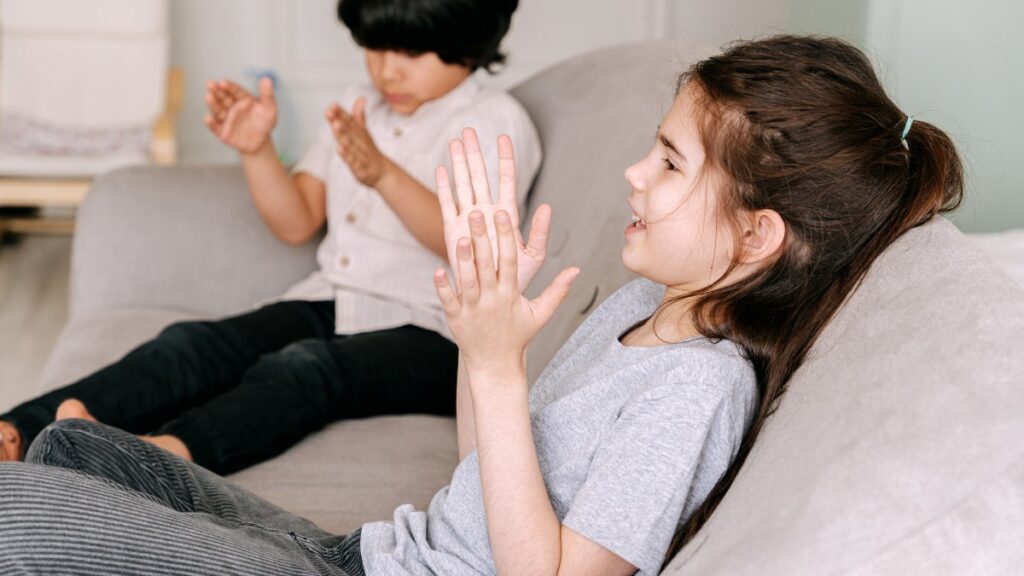
Examples of Autism Repetitive Behaviors: Stimming and More
Key Points: Autism repetitive behaviors include stimming, routines, and repetitive speech. These behaviors can serve as self-soothing mechanisms or ways to process sensory input. Unde

What is ABA Fading and How Does it Work?
Key Points: ABA fading is the gradual removal of prompts and supports to encourage independent behavior. It helps children with autism transition from guided learning to self-sufficie
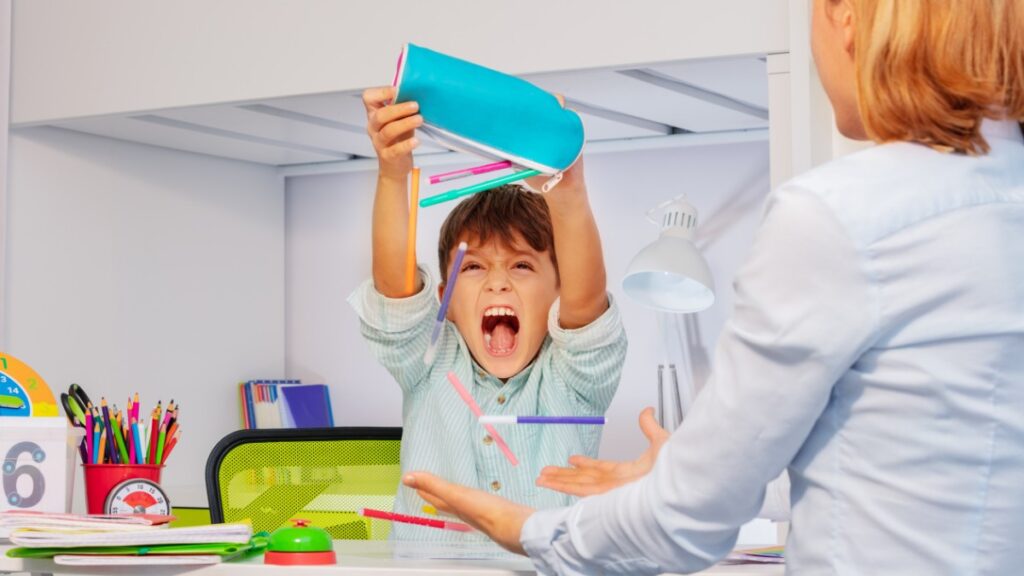
How to Write a Behavior Intervention Plan (BIP)
Key Points: A Behavior Intervention Plan (BIP) is a structured plan designed to reduce challenging behaviors and promote positive alternatives. A well-written BIP includes identifying

Naturalistic Teaching in ABA: Definition and Strategies
Key Points: Naturalistic teaching in ABA is a child-led approach that uses real-world interactions to teach new skills. This method promotes learning through everyday activities, maki
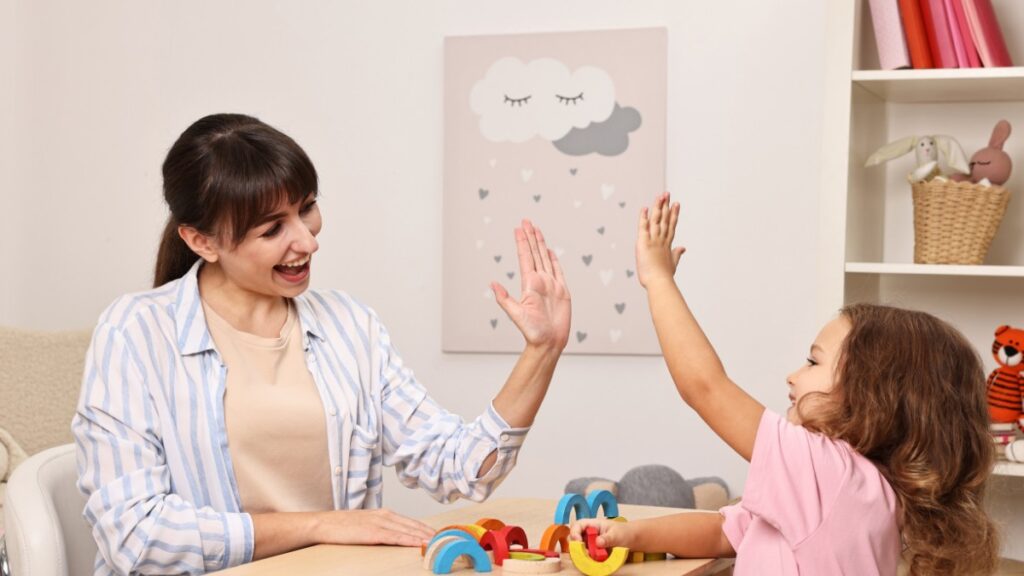
Sensory Room Equipment for Autism: Must-Have Items
Key Points: Autism sensory room items help regulate sensory input and support calming, focus, and development. A well-designed sensory room includes tools for tactile, visual, auditor

Understanding Autism Sensory Deprivation and Its Benefits
Key Points: Autism sensory deprivation involves minimizing sensory input to reduce overstimulation and promote regulation. Techniques like dark rooms, noise reduction, and deep pressu

Understanding Hypersensitivity in Autism Spectrum Disorder
Key Points: Children with ASD often experience hypersensitivity to sounds, textures, lights, and other sensory input. These sensory processing differences can lead to anxiety, meltdow