

Key Points:
- Vestibular therapy improves balance, sensory regulation, and engagement in children with ASD.
- Targeted movement strategies reduce hyperactivity, support focus, and enhance daily functioning.
- Combining vestibular and proprioceptive exercises builds confidence, calmness, and sensory processing skills.
Life can feel like a whirlwind of sensations for people with Autism Spectrum Disorder (ASD). For many, the vestibular system, the body’s balance and spatial awareness center, can feel too intense or strangely muted.
The good news? Evidence-based vestibular autism treatment gives tools to improve how a person experiences the world. Can simple movement really help? Absolutely. Targeted sensory strategies can support better engagement, learning, and comfort in daily life. By understanding the vestibular system and using structured, playful techniques, caregivers can help people feel more grounded and confident. Let’s dive into how these strategies work and explore practical ways to apply them safely.
The Vestibular System: Your Body’s Internal GPS
Think of the vestibular system as a built-in GPS. Located in the inner ear, it senses motion and head position. It helps maintain posture, muscle tone, and body awareness. When it works well, it lets us walk on uneven ground, climb stairs, or spin without getting dizzy right away.
For individuals with ASD, the vestibular system often works differently. Understanding these differences is key to effective treatment.
Vestibular Dysfunction: Too Much or Too Little?

Vestibular issues in autism usually show up in two ways:
1. Hypersensitivity (Over-Responsiveness)
Some people experience ordinary movement as overwhelming. Simple actions like turning the head or stepping off a curb can trigger fear or discomfort. These individuals may avoid activities that require balance or coordination.
2. Hyposensitivity (Under-Responsiveness)
Others crave vestibular input. They may spin, jump, or rock repeatedly. These movements, often called vestibular stimming, help the body get the sensory feedback it needs.
Which pattern a person shows guides the therapeutic approach. Are they seeking movement or avoiding it? The answer shapes the strategy.
Signs of Vestibular Dysfunction
Recognizing vestibular challenges is key to supporting children with autism. Common indicators include:
| Behavioral Signs | Sensory Challenges |
| Uncoordinated movements | Difficulty processing motion |
| Fear of climbing or descending stairs | Over-responsiveness to vestibular input |
| Hyperactivity or constant motion | Under-responsiveness to vestibular input |
| Trouble focusing visually | Difficulty integrating vestibular and visual information |
Children with vestibular dysfunction may struggle with daily activities and classroom tasks due to poor sensory integration. Early identification allows therapists to implement effective interventions that enhance motor skills and sensory processing.
The Science of Sensory Intervention
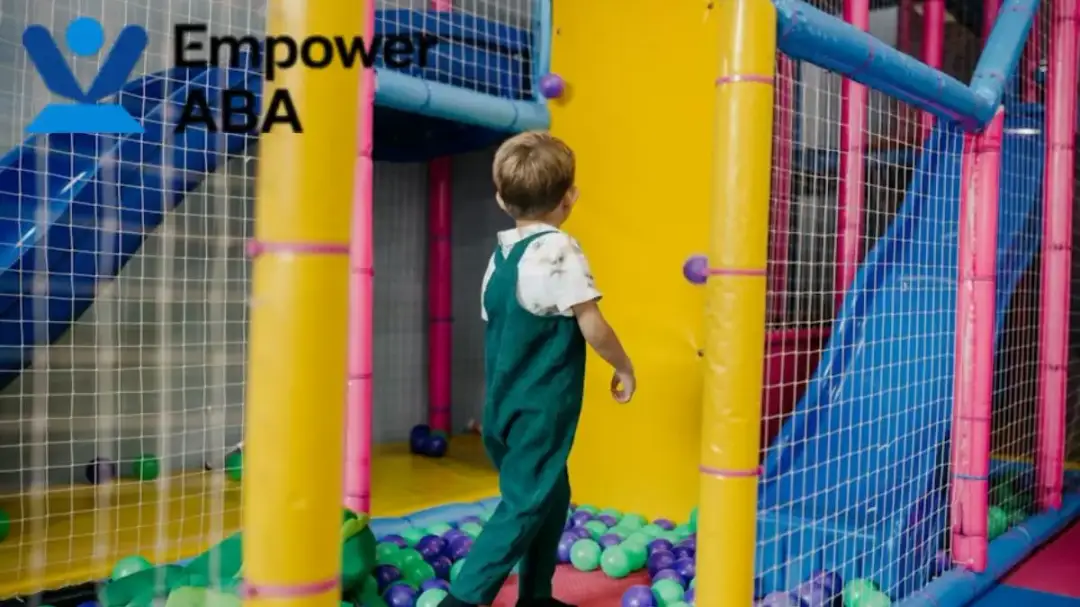
Studies show that movement can affect sensory processing, behavior, and learning in ASD. For example, a randomized controlled trial (RCT) by Erik, Safran, and Şevgin (2025) examined 22 children with mild-to-moderate autism.
The participants split into two groups: one received standard physiotherapy plus vestibular exercises, the other received only standard physiotherapy. The group with targeted sensory exercises saw major improvements.
Key findings:
- Behavior: Hyperactivity and impulsivity dropped significantly, measured by the Vanderbilt ADHD Diagnostic Parent Rating Scale (p<0.001).
- Activity tolerance: Behaviors like running, climbing, or difficulty playing quietly decreased noticeably.
- Sensory gains: Sensory processing improved for both groups, but the addition of vestibular exercises gave a unique boost.
This study highlights that vestibular autism treatment is more than a fun activity, it’s a scientifically backed approach that reduces challenging behaviors and improves focus.
The Link to Communication
Vestibular input can also enhance communication. A study by Raubenheimer, Geertsema, Le Roux, and Graham (2023) tested non-verbal children with ASD using the Picture Exchange Communication System (PECS).
After a short session of vestibular activities like swinging or rocking, children responded more during PECS tasks. Even a few minutes of movement before a learning activity can boost engagement and focus. Could swinging or gentle rocking help a child be ready to learn? The research says yes.
Strategic Sensory Integration: Actionable Steps
Sensory strategies aim to provide vestibular input in a safe, controlled way. This is the heart of sensory integration, a concept developed by Dr. A. Jean Ayres. Properly applied, it helps the brain organize sensory signals and reduce unregulated stimming.
Targeting Hyposensitivity (The Seeker)
For children who seek intense input, the goal is safe, regulated movement.
| Vestibular Input | Examples of Activities |
| Linear (Back & Forth) | Swinging on a net swing, hammock, or tire swing; slow rocking |
| Rotary (Spinning) | Merry-go-round, sit-and-spin toy, office chair |
| Vertical (Up & Down) | Trampoline, bouncy house, therapy ball |
| Gravitational | Hanging upside down, rolling down a small hill |
Example: A child who constantly jumps might do a 10-minute mini-trampoline session before a structured activity. This pre-loads their system, making it easier to sit calmly afterward.
Targeting Hypersensitivity (The Avoider)
For children who avoid movement, start gently.
- Slow, rhythmic input: Rocking in a chair or on a large therapy ball. Movements should be predictable and small.
- Controlled head movements: Nod “yes” or shake “no” within a limited range.
- Deep pressure: Weighted lap pads or gentle rolling on a therapy ball. Deep pressure can calm and comfort the nervous system.
The child should control the activity. Progress comes from increasing duration or intensity gradually.
Making Vestibular Therapy Part of Daily Life
The best vestibular autism treatment is consistent. Integrating it into daily routines, not just therapy sessions, maximizes benefits. Collaboration is essential: therapists, educators, and family members should work together.
The Role of Proprioception
Vestibular exercises work best alongside proprioceptive exercises, which involve joint and muscle pressure. Proprioception helps the body stabilize and supports the vestibular system.
Examples of heavy work:
- Pushing a loaded cart
- Carrying a backpack with books
- Wall push-ups
- Squeezing therapy putty
The Erik, Safran, and Şevgin study confirmed the synergistic effect of combining both exercises. Pairing vestibular and proprioceptive activities can reduce impulsivity and improve sensory processing faster.
Example: A child who struggles with noise may push a weighted box and do ten wall push-ups before a classroom transition. This anchors the vestibular and proprioceptive systems, improving calm and focus.
Summary Table: Vestibular Autism Treatment Benefits
| Intervention | Key Benefits |
| Swinging & Spinning | Improves vestibular input, motor skills |
| Balancing & Trampolines | Enhances coordination, proprioception |
| Pressure-touch | Reduces arousal, promotes focus |
| Sensory Diet Planning | Integrates daily vestibular input |
| Occupational Therapy | Personalized, structured intervention |
Frequently Asked Questions
Can swinging too much harm the vestibular system?
No. The system is designed for movement. Regulation, not restriction, matters. Over-stimulation can cause dizziness but won’t cause permanent harm.
How does the vestibular system affect the eyes?
It works with the visual system to keep vision steady when the head moves. Dysfunction can cause trouble tracking, focusing, or shifting gaze, affecting reading and attention.
Do these strategies work for adults?
Yes. Activities may be adapted, like using a rocking chair or stability ball, but the goal, regulating sensory processing, remains.
What’s the difference between vestibular input and gross motor play?
Gross motor play uses large muscles, like running or kicking. Vestibular input specifically targets the inner ear through spinning, swinging, or head tilts. Not all gross motor activities provide vestibular input.
How quickly can results appear?
Some studies show immediate effects on responsiveness. RCTs report reduced hyperactivity after eight weeks of consistent, targeted exercises. Individual responses vary, but improvements often appear quickly.
Helping Individuals Thrive Through Movement

Vestibular autism treatment is more than a set of exercises. Empower ABA in New York offers a hands-on approach to support balance, behavior, learning, and communication while helping individuals engage more fully with their world. By recognizing hypersensitivity and hyposensitivity, giving structured input, and weaving therapy into daily routines, caregivers can make a real difference.
Movement can be fun, calming, and confidence-building. Every swing, bounce, or spin helps build comfort and self-assurance. Using proven strategies in a playful, positive way, Empower ABA shows how vestibular therapy can change everyday experiences. Safe, structured movement gives children and adults with ASD a sense of regulation, focus, and readiness to explore. Want to see these strategies in action? Reach out today to discover tailored support in New York that helps every individual take confident steps forward.