

Key Takeaways:
- Girls with autism often mask their traits, which leads to later diagnoses and gaps in support during early childhood.
- Effective ABA therapy for girls focuses on social nuance, emotional regulation, and protecting their identity, not erasing it.
- Strong programs in NY and NJ now adapt sessions to a girl’s strengths, sensory profile, and friendship style.
Girls on the spectrum are often missed. They watch, copy, and blend in. By the time someone notices, they are tired, anxious, and confused about why life feels harder than it looks. ABA therapy for girls with autism in New York has evolved to meet this reality. Sessions look different from what older programs offered boys.
They include nuance, emotional skills, and identity work. This guide explains how autism shows up in girls, why traditional ABA missed them for years, and what families in NY and NJ should look for in a provider that truly understands female presentation across childhood and into the teen years.
How Autism Presents Differently in Girls in New York and Beyond
For years, autism research focused on boys. The diagnostic tools were built around how boys present. That is part of why how autism presents differently in girls in New York gets missed for so long.
Common Traits in Autistic Girls
Girls with autism often show:
- Strong language skills that mask social confusion
- Intense special interests that look age-appropriate (animals, fiction, fandoms)
- One or two close friends rather than a wide social network
- Sensory sensitivities to clothes, food textures, and noise
- Anxiety, perfectionism, or shutdowns at home after school
CDC data shows boys are diagnosed four times more often than girls, but researchers believe the actual ratio is closer to 3 to 1. The gap is the missing girls. Many of them are misdiagnosed first with anxiety, ADHD, or bipolar disorder before someone connects the dots.
Why the Difference Matters
If a clinician expects to see boy-like traits, they may dismiss a girl who makes eye contact and chats politely. The result is years of struggle without support. Girls grow up feeling broken without knowing why.
Late Autism Diagnosis in Girls in NYC and What It Means for Therapy

Late autism diagnosis in girls in NYC is common. Many girls get diagnosed at age 9, 11, or even 16. By then, they have built layers of coping that look like personality but actually drain them daily.
Late diagnosis brings unique challenges:
- Years of masking have shaped self-esteem
- Anxiety and depression are often already present
- Friendships have already become complicated
- Identity is mixed with confusion about being different
ABA for late-diagnosed girls cannot look like ABA for a 3-year-old. It has to honor what she has already figured out and add tools, not rewrite her. The best programs combine ABA with respect for autism masking patterns and the exhaustion that comes with them.
Autism Masking in Girls in New Jersey: What Parents Should Know
Masking is when a child hides their autistic traits to fit in. Autism masking in girls in New Jersey often shows up at school, fades at home, and then crashes into meltdowns by evening.
Signs Your Daughter May Be Masking
Look for these patterns:
- Calm at school, melts down the second she gets home
- Mimics peers’ voices, hobbies, or phrases
- Holds in needs all day, then explodes about homework
- Practices conversations in her head before speaking
- Feels exhausted in a way her friends do not
Masking is not bad behavior. It is survival. But long-term, it leads to burnout, identity confusion, and mental health struggles. ABA can help her drop the mask in safe places and build authentic skills.
How ABA Addresses Masking
Modern ABA does not push girls to mask more. It teaches self-advocacy, emotion identification, and how to ask for breaks. Strong emotional regulation tools let her feel safe enough to be herself with the right people.
ABA Therapy for Female Autism in NJ: What Sessions Actually Look Like
ABA therapy for female autism in NJ should be flexible, relational, and strengths-based. Cookie-cutter programs do not serve girls well.
Look for sessions that include:
- Conversation coaching for nuanced social moments
- Friendship skills that match her age and interests
- Sensory check-ins woven into the session
- Emotion labeling and self-regulation practice
- Role-play around bullying, gossip, and group dynamics
Sessions might happen at home, at school, or in the community. In-home sessions let her relax. Community work helps skills carry over to real life. Strong programs include both.
Autism in Girls in New Jersey: Building Friendship Skills That Stick
Friendship is one of the most common goals families bring up. Autism in girls in New Jersey often comes with an intense desire for connection mixed with confusion about how to maintain it.
Friendship-focused work might cover:
- Reading tone and body language
- Knowing when a friend needs space
- Handling drama without internalizing it
- Building one strong friendship rather than chasing a group
- Spotting unhealthy friendships and stepping back safely
Group programs can be powerful here. Social skills groups give girls a chance to practice with peers who also get it. Real connection beats role-play every time.
Girls’ Autism Support in New York and New Jersey: Choosing the Right Provider
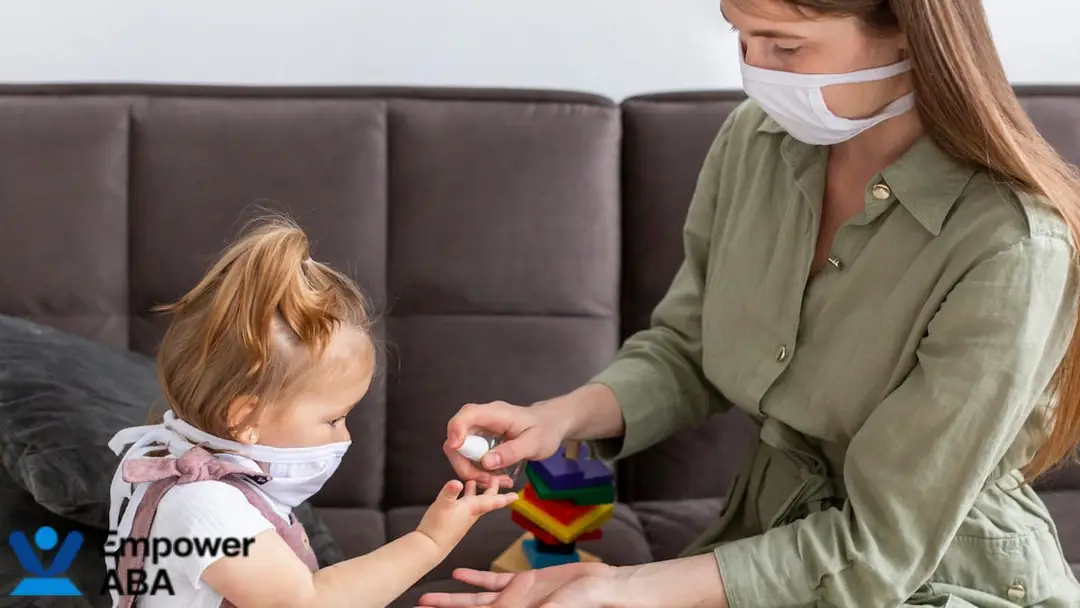
Not every ABA agency is set up for girls. Strong girls’ autism support in New York and New Jersey programs shares a few features.
Ask these questions during your consultation:
- How many girls are on your active caseload right now?
- Do you have female BCBAs and RBTs available?
- How do you handle masking and burnout?
- Will my daughter help set her own goals?
- How do you support tween and teen issues like puberty and dating?
The right team will answer thoughtfully, not defensively. Families across Brooklyn and Queens now have more options for girl-affirming care than ever before.
Frequently Asked Questions
1. Is ABA therapy still helpful for girls diagnosed in their teens?
Yes. Teen-focused ABA looks more like coaching. It targets self-advocacy, executive function, emotional regulation, and identity work. The teen helps lead the goals, which makes the work more meaningful and effective.
2. My daughter is very verbal. Does she really need ABA?
Verbal does not mean unaffected. Many bright girls still struggle with social nuance, sensory overload, and exhaustion from masking. ABA can address those quieter struggles even when academic skills look strong.
3. Will ABA make my daughter mask more?
Good ABA does the opposite. It teaches her to recognize when she is masking, take breaks, and ask for what she needs. Avoid any program that prioritizes compliance over comfort and self-expression.
4. How is therapy for girls different from boys in practice?
Therapy for girls often emphasizes relational skills, emotional vocabulary, and friendship nuance. Boy-focused programs may lean more on play-based motor and behavior goals. Both need adaptation, but the entry points differ.
5. Can my daughter do ABA without her school knowing?
Yes. Private ABA sessions happen outside school hours. You can choose whether to share with the school. Some families coordinate, others keep it separate for privacy. Both approaches are valid.
Help Her Show Up as Herself, Not a Performance
Girls on the spectrum deserve more than a borrowed playbook. They need support that sees their strengths, respects their masking, and gives them tools to be themselves without burning out. The right ABA team treats her as a partner, not a project.
Empower ABA builds programs for girls in New York and New Jersey that focus on connection, confidence, and lasting skills. Whether your daughter was diagnosed at 4 or 14, the work can begin where she is right now, without shame or pressure.
Reach out to us to talk through what a girl-centered ABA program could look like for your daughter, your family, and her future.