
Key Points:
- Distinct neural wiring shapes how autistic individuals process information and stimuli.
- Synaptic differences influence memory, focus, sensory perception, and learning abilities.
- Atypical connectivity supports pattern recognition, creativity, and detail-oriented strengths.
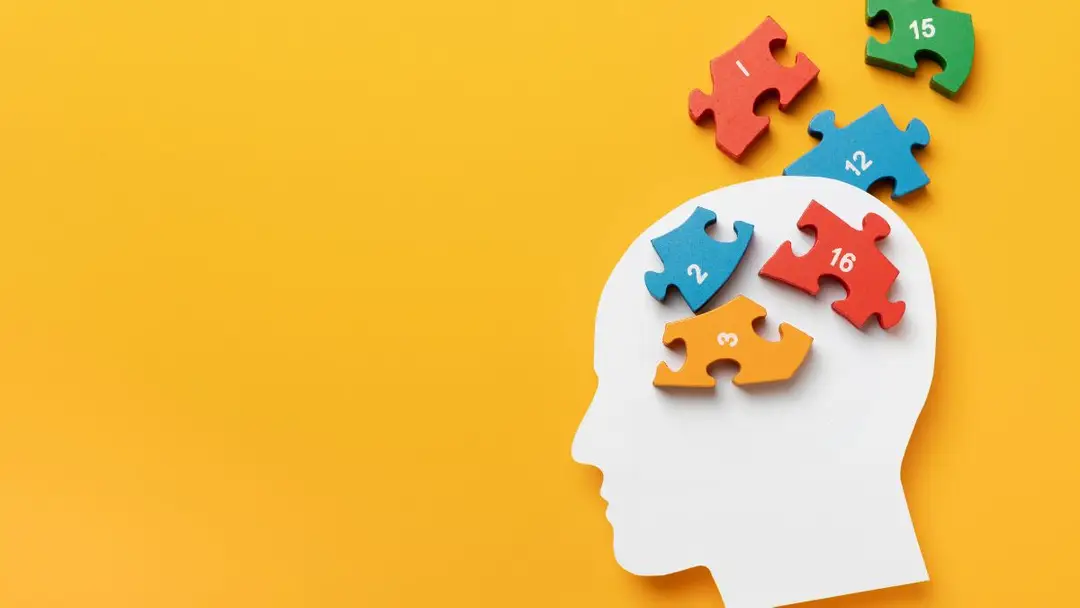
Autism is often discussed in terms of behavior, but what about the brain itself? Understanding how autism works in the brain helps explain why individuals experience the world in unique ways. The brain of someone with autism processes information differently. This journey through synapses, neural networks, and sensory pathways reveals why they may focus intensely on details, think creatively, or approach problem-solving in original ways. Studies show that the autistic brain is not “broken” but wired in a distinct pattern. This article explores the structure and function of the brain in autism, shedding light on strengths and challenges. We’ll also look at new discoveries that could shape future interventions, offering hope for improved support.
Neural Connectivity: The Brain’s Wiring

Autistic brains often show atypical connectivity. This doesn’t mean connections are absent—just that they follow a unique pattern. Some regions communicate more intensely with nearby areas, while long-range communication may be weaker (Mohammad-Rezazadeh et al., 2016).
- Local vs. Distant Connectivity: Overconnectivity in proximal networks can boost detailed focus. Reduced distant connectivity may explain social communication differences.
- Functional Impact: Language, social reasoning, and sensory integration rely on multiple brain regions working together. Atypical patterns affect timing and coordination, not intelligence or creativity.
Other key points about the autistic brain:
- Synaptic Density: PET scans show autistic adults may have up to 17% fewer synapses than neurotypical individuals (Yale School of Medicine, 2024).
- Sensory Processing: Sensitivity to sensory input, like light, sound, touch, and movement, can vary, causing hypersensitivity or hypo-responsiveness.
Table: Connectivity Differences in Autism
| Brain Feature | Typical Brain | Autistic Brain |
| Synaptic Density | Normal across regions | ~17% lower across the brain |
| Local Connectivity | Balanced | Sometimes stronger |
| Long-Range Connectivity | Strong | Often weaker |
| Sensory Integration | Efficient | Highly variable |
Research using fMRI and EEG shows that connectivity changes aren’t static, they can shift with development, experience, and learning. This adaptability explains why autistic individuals often excel in structured or focused environments.
Synapses: The Brain’s Communication Hubs

Synapses are the tiny junctions where neurons communicate. In autism, fewer synapses are correlated with certain features, such as repetitive behaviors or social communication differences (Yale School of Medicine, 2024).
Think of synapses as traffic lights. Fewer lights or altered timing changes how information flows. Signals may take longer routes or loop differently. The result? Enhanced attention to detail, a remarkable memory for patterns, and sometimes difficulty filtering distractions.
- Impact on Learning: Synaptic differences can enhance certain skills, like mathematics, music, or visual arts.
- Early Development: Synaptic growth surges during infancy. PET scans suggest this is a critical window for shaping how networks connect.
Could boosting synaptic health improve outcomes? Researchers are exploring interventions that support neural plasticity, though no magic bullet exists yet.
Sensory Processing Differences
One of the most visible signs of autism is how sensory input is experienced. Some people are hypersensitive to sound or light. Others may seek intense stimulation, like spinning or tapping.
- Visual: Lights may feel too bright. Patterns can be mesmerizing.
- Auditory: Background noise may feel overwhelming. Certain tones can trigger focus or distress.
- Tactile: Clothing textures or touch can be intensely calming or irritating.
How the brain works in autism in sensory processing involves filtering and prioritizing information. Studies show altered activity in the parietal and visual cortex correlates with these differences (UCLA, 2022). Understanding sensory profiles allows for tailored environments where focus, learning, and comfort improve.
Executive Functioning: Planning and Flexibility
Executive functioning governs planning, organization, and self-regulation. Autistic individuals may face challenges here, not because of lack of ability, but due to differences in neural pathways.
- Task-Switching: Switching focus quickly can be difficult.
- Impulse Control: Some individuals may over-focus on details.
- Organization: Planning multi-step tasks requires extra effort.
Strategies that break tasks into smaller, predictable steps often enhance performance. Cognitive support tools, visual schedules, or structured routines harness the brain’s unique wiring.
The Social Brain
Autism often involves differences in social cognition. The social brain includes regions like the amygdala, fusiform gyrus, and posterior superior temporal sulcus. These areas process faces, expressions, and body movements (Pelphrey, Morris, Michelich, Allison, & McCarthy, 2005).
Eye-tracking studies reveal that autistic children may focus less on the eyes and more on other facial features when reading expressions. This shift affects interpretation but doesn’t eliminate empathy or emotion. Instead, the brain may rely on alternative pathways to understand others.
- Amygdala: Detects emotional states, crucial for fear, reward, and motivation.
- Fusiform Gyrus: Supports face recognition, often less active in ASD.
- Posterior STS: Analyzes motion and predicts intentions.
Early intervention targeting social perception can help strengthen compensatory pathways while respecting neurodiversity.
Understanding and Valuing Neurodiversity
Autism represents a natural variation in brain function. How the brain works in autism offers unique strengths:
- Pattern recognition beyond typical limits
- Creative problem-solving
- Intense focus on areas of interest
Neurodiversity advocates emphasize shifting focus from deficits to strengths. Celebrating these differences fosters inclusion and innovation in schools, workplaces, and communities.
Benefits of Embracing Neurodiversity
- Boosts creativity and innovation
- Enhances problem-solving in teams
- Supports authentic self-expression
- Encourages flexible thinking
Advances in Brain Research
Recent studies using MRI, fMRI, and PET scans have revolutionized our understanding. Yale researchers measured synaptic density in living autistic adults, revealing correlations between synapse count and social features (2024). UCLA’s molecular-level research shows gene expression differences across 11 cortical regions, linking these changes to sensory hypersensitivity and social cognition (2022).
- Genetic Insights: Hundreds of genes affect synaptogenesis, neural migration, and connectivity.
- Organoids and Modeling: Lab-grown brain organoids help study cortical development, providing clues to early interventions.
These tools allow scientists to move beyond behavioral observations and explore the biological mechanisms underlying autism.
Interventions and Support
Tailored strategies can align with the unique wiring of autistic brains. While autism is lifelong, structured support can maximize strengths and improve functional skills.
- Individualized Education: Adapted learning methods harness attention and memory strengths.
- Speech Therapy: Supports alternative communication or strengthens verbal skills.
- Occupational Therapy: Addresses sensory differences and coordination challenges.
- Cognitive Strategies: Visual supports and structured routines compensate for executive functioning differences.
Creating supportive environments respects differences without imposing neurotypical norms.
The Future: Personalized Brain Insights
As research expands, the goal is to create a brain-based understanding of autism. Key ambitions include:
- Predicting outcomes through synaptic and connectivity measures
- Matching interventions to specific neural profiles
- Maximizing quality of life through informed strategies
How the brain works in autism is increasingly understood at a molecular and functional level. With each discovery, the field moves closer to optimizing learning, social interaction, and self-expression for autistic individuals.
FAQ: How the Brain Works in Autism
1. Can autistic brains change over time?
Yes. Neural plasticity allows autistic brains to adapt. Experiences, therapy, and learning can strengthen connections and improve skills at any age.
2. Do all autistic individuals experience the same brain differences?
No. Autism is a spectrum. Brain differences vary in location, intensity, and function, which explains why each experience is unique.
3. Are sensory sensitivities signs of brain dysfunction?
Not dysfunction, difference. Sensory pathways process information uniquely. Sensitivities can be strengths, like enhanced attention to detail or pattern recognition.
4. How early can we detect autism in the brain?
Some signs appear within the first year of life, such as reduced attention to faces or differences in biological motion perception. Research on biomarkers is ongoing.
5. Can understanding brain differences improve interventions?
Absolutely. By knowing which neural circuits are involved, therapies can be tailored to individual strengths and challenges, boosting effectiveness and quality of life.
Celebrating the Strengths of the Autistic Brain

The autistic brain is a wonder of neural variety. At Empower ABA, we know that differences in the brain, like sensory pathways, social skills, and executive function, create a unique way of experiencing the world. Embracing neurodiversity means celebrating strengths and using tailored approaches to help autistic individuals thrive. In Virginia, families are seeing how personalized support can turn challenges into growth and confidence. Rather than viewing autism as a set of deficits, we understand it as a different way of wiring the brain. This opens doors to creativity, resilience, and unique problem-solving abilities.
At Empower ABA, our method focuses on nurturing these strengths with research-backed strategies and compassionate care. If you want to support your child’s development or learn about customized programs, reach out to us. Start a journey that celebrates their potential and embraces their unique brain wiring. The future for neurodiverse minds is bright. Each step toward understanding makes a lasting difference.