
Key points:
- ABA-based social skills groups in NYC and NJ use structured, evidence-based methods to teach real-world interaction skills.
- Social skills group therapy goes beyond scripts, helping autistic children practice conversation, play, and peer relationships.
- Children in Brooklyn, Queens, and NJ can access tailored autism social skills programs that generalize to home and school.
If your child struggles to make friends, hold a conversation, or join group play, you’ve probably spent a lot of time worrying about their social future. That worry is valid. Social isolation in childhood can affect mental health, academic performance, and quality of life well into adulthood. But here’s the truth: social skills aren’t fixed.
They can be taught, practiced, and built upon with the right support. ABA therapy in New York offers structured social skills programs specifically designed for children with autism that go well beyond scripted responses and surface-level interactions.
Why Social Skills Groups Work Better Than Individual Therapy Alone
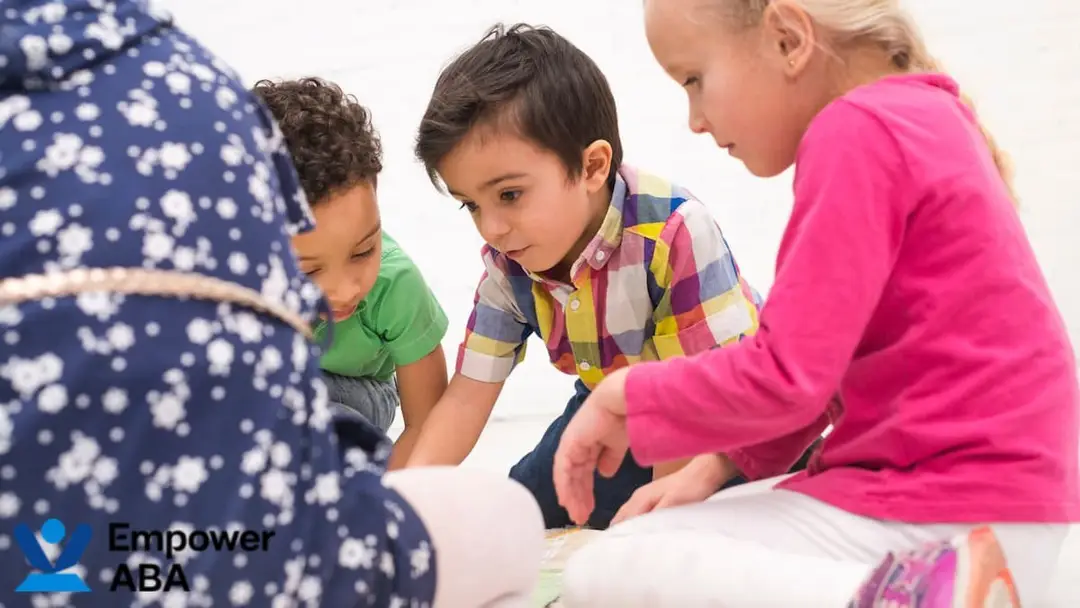
One-on-one ABA sessions are powerful for building foundational skills, but they have a limitation: there’s no peer. Real social interaction requires another person with their own agenda, reactions, and unpredictability. Social Skills Groups for Children with Autism in New York create a structured environment where children can practice with actual peers, not just adults.
Research consistently supports group-based social skills training for children with autism. A study published in the Journal of Autism and Developmental Disorders found that structured peer-mediated social skills interventions produced significant gains in social competence compared to individual training alone.
The group setting also exposes children to natural variability. Every conversation is different. Every peer responds differently. Learning to navigate that unpredictability in a supported environment is exactly what prepares children for real-world friendships at school, in the neighborhood, and later in life.
Children also respond to peers differently than they respond to adults. Motivation to connect with another kid can drive engagement in ways that adult-directed tasks sometimes don’t. Peer modeling in ABA therapy is a key component of why group settings produce such meaningful outcomes.
What an ABA Social Skills Group Actually Looks Like
Parents often picture group therapy as a circle of kids sitting quietly and taking turns talking. That’s not quite it. A well-run ABA social skills group is structured but dynamic. Sessions typically include:
- A review of a targeted social concept, like how to enter an ongoing conversation, how to read facial expressions, or how to handle disagreement
- Role-play scenarios where children practice the skill with a therapist or peer before applying it in a more naturalistic setting
- Structured group activities like board games, building projects, or collaborative tasks that naturally require social negotiation
- Data collection by therapists on each child’s individual targets throughout the session
- A debrief segment where the group discusses what went well and what they might do differently next time
Each child has individual goals within the group format. One child might be working on initiating greetings, while another is working on sustaining a topic for three exchanges. A Board Certified Behavior Analyst oversees the curriculum and tracks progress. The autism social skills assessment that precedes enrollment helps ensure each child is placed in a group matched to their current skill level.
Social Skills Group Programs in Brooklyn and Queens
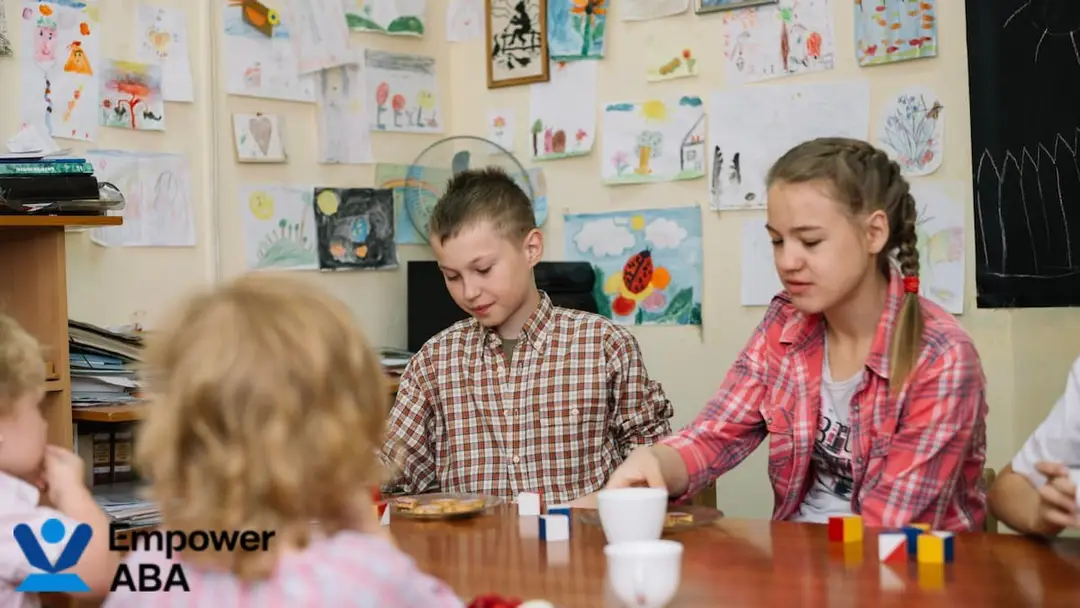
New York City’s density is actually an advantage here. Enough children need social skills groups to run multiple cohorts grouped by age, skill level, and specific goals. Groups for younger children (ages 4-7) tend to focus heavily on parallel play, turn-taking, and sharing. Groups for older children (ages 8-12) shift toward conversational skills, handling conflict, understanding social hierarchy, and navigating group dynamics.
Families in Brooklyn and Queens have access to programs that run after school and on weekends to accommodate school schedules. A consistent schedule matters. Social skills don’t solidify from one session a week; generalization across settings requires repetition. Learning how to also support autism friendships at home complements what happens in the group.
Parents are typically given a summary of what was covered in each session and specific things to practice at home. The transfer of skills from the clinic to real life doesn’t happen automatically. It requires deliberate reinforcement in natural environments, which is why family involvement is built into the model.
Autism Social Skills Programs in New Jersey
New Jersey families in Newark, Jersey City, Hackensack, and Toms River have access to similar structured group programming. New Jersey’s autism infrastructure is robust, partly driven by the state’s high prevalence rates, and partly because NJ law requires insurers to cover ABA therapy. Understanding insurance coverage for ABA in NY, NJ, and VA is your starting point before enrolling.
In NJ, social skills groups often run through outpatient ABA centers and can be covered by Medicaid, CHIP, or private insurance when prescribed as part of an autism treatment plan. The prescription or authorization process varies by insurer, but most families can get this covered with documentation from a licensed clinician.
The logistics of group scheduling in New Jersey tend to be slightly different than NYC. Because families are more spread out geographically, programs often run in concentrated time blocks, like weekend half-day intensives, rather than weekday after-school sessions. Some providers also offer a hybrid model combining in-person group sessions with virtual coaching components.
What Skills Get Targeted in Group Therapy
Social skills aren’t a single thing. They’re a collection of dozens of distinct behaviors, each of which needs to be learned, practiced, and maintained. Depending on your child’s profile, an ABA social skills group in New York or New Jersey might target:
- Initiating and responding to greetings appropriately
- Joining a group activity already in progress without disrupting it
- Maintaining a topic in a back-and-forth conversation for multiple exchanges
- Reading nonverbal cues like facial expressions, tone of voice, and body language
- Managing frustration when a game doesn’t go as planned
- Offering and accepting compliments or feedback
Targets are selected based on the autism social interaction challenges most relevant to your child’s age, school environment, and current functioning level. A BCBA typically conducts a skills assessment before the group begins and reviews targets regularly as the child progresses.
When to Enroll Your Child in a Social Skills Group
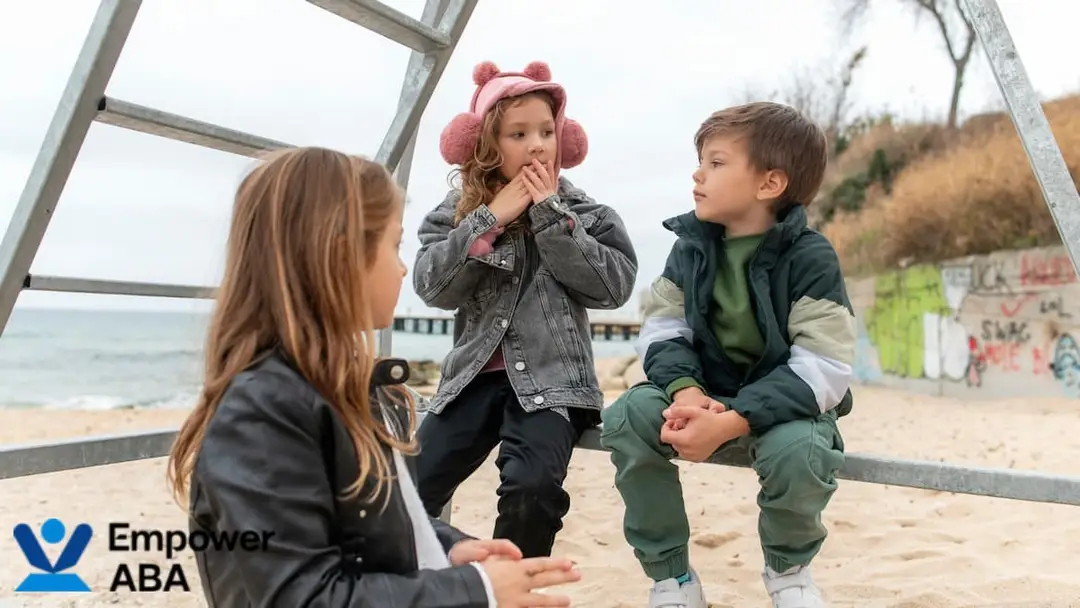
If your child has received an autism diagnosis and is showing difficulties with peer interaction, social skills group therapy is often appropriate as early as age 3-4. Waiting for “the right time” often means missing a window where skills are most easily shaped. That said, children of any age benefit from the right group. A research review from the University of California found that social skills interventions are effective across all age ranges, though earlier intervention tends to produce larger long-term gains.
The enrollment process typically starts with a consultation, a standardized social skills assessment, and a review of any existing evaluations. The clinician then recommends a group level and develops individual targets before the first session.
If your child has never had any ABA services, starting ABA therapy with some foundational individual sessions first often helps them get more out of the group format. Children who are still working on basic communication or attention may need individualized preparation before they can benefit from peer interaction sessions.
Frequently Asked Questions
What age groups are available for social skills groups in NYC and NJ?
Most programs offer groups for children ages 3-16, grouped by developmental level rather than strictly by age. Adolescent groups tend to focus on more complex skills like conversation maintenance, perspective-taking, and navigating peer pressure.
How many children are typically in an ABA social skills group?
Groups usually range from 3 to 6 children, with a therapist-to-child ratio designed to allow individual data collection and targeted prompting during activities. Small group size is intentional for meaningful peer interaction.
Will my child’s insurance cover social skills group therapy in New Jersey?
In New Jersey, insurance is required to cover ABA therapy, including group formats when medically necessary. You’ll need documentation from a licensed clinician and prior authorization from your insurer. Coverage details vary by plan.
How do I know if my child is making progress in a social skills group?
Therapists collect data each session on individual targets and share progress reports regularly. You should expect to see measurable updates on your child’s specific goals, not just general impressions, at scheduled review meetings.
Can social skills group therapy happen alongside individual ABA sessions?
Yes, and for many children it’s the most effective combination. Individual ABA sessions can target prerequisite skills and build fluency, while the group provides a natural context to apply and generalize what’s been learned.
Where Real Friendships Start
Social skills aren’t a checklist. They’re the foundation of friendships, confidence, and belonging. Empower ABA’s social skills group programs in New York and New Jersey are designed to meet children where they are and build the real-world interaction skills that matter.
In Brooklyn or Queens, Newark or Jersey City, there’s a seat in the right group for your child. Because every child deserves a friend, not just a script, let’s talk about what the right group looks like for your family.