

Key points:
- NYC families can access DOE-funded ABA therapy through CPSE (ages 3-5) and CSE (school age) processes.
- Understanding the referral, evaluation, and IEP process is essential to getting your child the right ABA support.
- ABA therapy in NYC schools covers Brooklyn, Queens, Bronx, and other districts through structured DOE pathways.
Getting ABA therapy for your child in New York City shouldn’t feel like decoding a government manual, but for a lot of families, it genuinely does. Between the acronyms, the timelines, and the back-and-forth with school offices, many parents give up before they even start.
This guide cuts through the confusion. Whether your child is a toddler heading into preschool or already school-age, there are clear pathways through the NYC Department of Education to access ABA therapy in New York at no direct cost to your family. Here’s how it actually works.
What Is DOE-Funded ABA Therapy in NYC?
The NYC Department of Education is responsible for providing special education services to children with disabilities, including autism spectrum disorder. When ABA therapy is recommended as part of a child’s educational program, the DOE is required to fund it. This is grounded in the federal Individuals with Disabilities Education Act, which mandates a Free Appropriate Public Education for every eligible child.
ABA therapy isn’t automatically handed to every family that asks for it. There’s a process. Your child must be evaluated, found eligible, and have ABA listed in their Individualized Education Program or IEP. The IEP coordination process in NY, NJ, and VA schools can feel overwhelming, but knowing what to expect at each step helps enormously.
The system is divided into two main tracks depending on your child’s age. CPSE handles children from age 3 through kindergarten entry, while CSE covers school-age children. Both can authorize ABA services, but the intake process and the people involved differ.
CPSE ABA Therapy for Preschool-Age Children in New York
The Committee on Preschool Special Education, known as CPSE, covers children from their third birthday through the age of eligibility for kindergarten. If your child has recently received an autism diagnosis or has shown developmental delays, this is usually your first stop. Many families first encounter this system after asking their pediatrician or an evaluator about their options after an autism diagnosis in New York.
Here’s how it typically unfolds:
- You submit a written referral to your school district’s CPSE office, or your child’s school or doctor can make the referral on your behalf.
- The DOE arranges an independent evaluation at no cost to you, usually covering speech, occupational therapy, psychological, and educational assessments.
- A CPSE meeting is held with you, school staff, and relevant evaluators to review findings and determine eligibility.
- If eligible, the team writes an IEP that can include ABA therapy as a related service, a special class with ABA methods, or ABA therapy through an approved provider outside the school building.
NYC has a network of DOE-approved preschool special education providers. Your child’s IEP may specify ABA services delivered in a center-based program, at home, or in an integrated setting. The key point is that once ABA is written into the IEP, the DOE covers the cost. This is distinct from in-home ABA therapy in Virginia, which follows a different process entirely.
CSE Autism Services for School-Age Children Across NYC
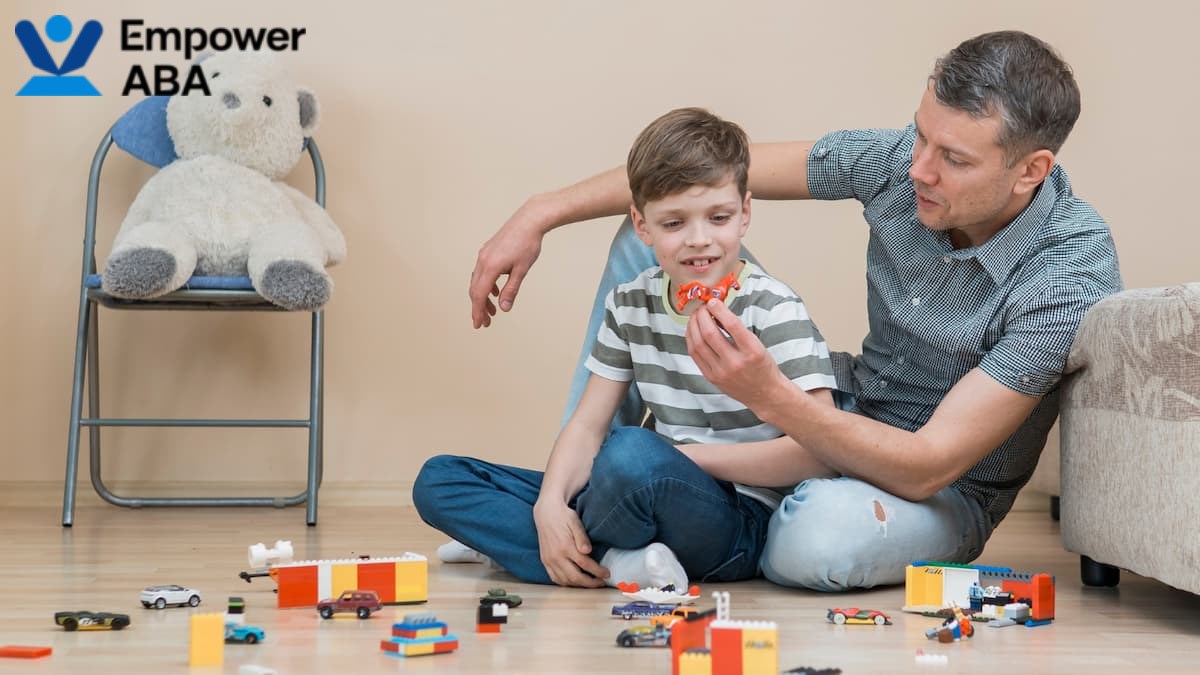
Once your child reaches school age, the Committee on Special Education, or CSE, takes over. The CSE process applies to children in Brooklyn, Queens, the Bronx, Staten Island, and Manhattan. If your child is already receiving services through CPSE, there should be a transition meeting before they age out, but parents often have to actively push for this to happen on schedule. Familiarizing yourself with autism laws and family rights helps you advocate effectively during this transition.
Through CSE, your child can receive:
- ABA therapy as a related service within a general education setting
- Placement in a specialized 12:1:1 or 8:1:1 classroom that uses ABA-based instruction
- A Behavior Intervention Plan developed by a BCBA to address specific behaviors
- 1:1 paraprofessional support guided by ABA principles
One thing families in Brooklyn and Queens often find confusing is that getting ABA written into an IEP doesn’t always mean a BCBA comes to school every day. Sometimes it means the classroom teacher uses ABA strategies, and a behavior analyst consults. Other times, a provider delivers direct therapy sessions.
What your child actually gets depends on what’s written in the IEP, so knowing how to read and negotiate that document is important. Understanding behavior intervention plans in ABA before your meeting puts you in a much stronger position.
How to Request an Evaluation Through the NYC DOE
This is the step many families skip or do wrong. A verbal conversation with a teacher or school counselor doesn’t count as a referral. You need to submit a written request, ideally by certified mail, addressed to the CSE or CPSE office for your school district.
Your written referral should include:
- Your child’s name, date of birth, and school (if applicable)
- A brief description of your concerns and what has been observed at home or school
- A request for a full individual evaluation, including a functional behavioral assessment
- Your contact information and a request for confirmation that the referral was received
The DOE has 60 days from receiving your consent for evaluation to complete the process and hold a meeting. If they miss that window, you have the right to escalate. Tracking dates and keeping copies of every piece of communication matters.
After evaluation, if you disagree with the findings, you can request an independent educational evaluation at public expense. This is a right under federal law, not a favor the district grants. Parents who understand what to do after an autism diagnosis are better prepared to navigate what comes next.
What Happens When the DOE Doesn’t Provide Adequate ABA Services
This happens more than it should. You might get a placement offer that doesn’t include ABA, or the services listed in the IEP don’t match what your child actually needs. A few important things to know: you don’t have to accept the first placement the DOE offers. You have the right to disagree, request mediation, or file a complaint with the State Education Department. Families who have navigated insurance coverage for ABA therapy in New York sometimes pursue both DOE and private routes simultaneously.
Some NYC families choose to work with an outside ABA provider while simultaneously pursuing their DOE rights. In some cases, if the DOE fails to provide the services written in the IEP, they may be required to reimburse families for the cost of private services. This is called “unilateral placement,” and while it’s complex, it’s a legitimate option when the public school system falls short.
It also helps to connect with other families going through the same process. Parent advocacy groups, particularly those serving communities in the Bronx and Brooklyn, can offer practical guidance that no official document provides. Families navigating ABA therapy for siblings and the whole family often find peer support makes a real difference.
School-Based ABA Therapy: What It Looks Like Day to Day
Parents sometimes have unrealistic expectations about what school-based ABA looks like in practice, and that’s usually because no one explained it clearly. Here’s the honest picture.
In a 12:1:1 classroom, your child will have 12 students, 1 teacher, and 1 paraprofessional. The instruction tends to follow structured ABA methods, with discrete trial teaching, data collection, and reinforcement systems. But the intensity of 1:1 ABA is different from what a private clinic provides.
If your child has a paraprofessional, that person may or may not be trained in ABA. Often, they are Registered Behavior Technicians, or RBTs, supervised by a BCBA. RBTs play a vital role in ABA delivery, and the quality of their supervision matters. Ask the school who the supervising BCBA is and how often they observe and adjust programming.
For children in more inclusive settings, ABA support may look like a behavior analyst visiting once or twice a week, working with the classroom teacher to implement strategies. This is called consultation, and while it can be effective, it relies heavily on the teacher following through consistently.
NYC School Districts and ABA: Brooklyn, Queens, Bronx, and Beyond
Each of the 32 community school districts in NYC has its own CSE office. The responsiveness and quality of these offices vary significantly. Families in District 75, which serves students with the most significant needs, often have a somewhat different experience than families working through a community district.
District 75 programs are citywide and specifically designed for students who need more intensive support, including many children with autism. If your child needs ABA services that go beyond what a typical school can offer, a District 75 placement may be appropriate. These programs operate across Brooklyn, Queens, the Bronx, Staten Island, and Manhattan, often in co-located buildings. Learning about inclusive education for autism helps families understand where their child fits along the continuum.
One thing many families don’t realize is that you can request a specific type of program or setting in your IEP meeting. You may not always get what you ask for, but making the request formally creates a paper trail if you need to escalate later.
Frequently Asked Questions
Does every child with autism qualify for DOE-funded ABA therapy in NYC?
Not automatically. Your child must go through the CPSE or CSE evaluation process and be found eligible for special education services. ABA must also be identified as appropriate and written into the IEP. Eligibility isn’t guaranteed just because your child has an autism diagnosis.
How long does the CPSE process take in New York City?
From the written referral to the IEP meeting, the DOE has 60 days after receiving your signed consent for evaluation. In practice, delays happen, so submitting your referral in writing and following up consistently tends to move things faster.
Can I request a specific ABA provider through the DOE?
You can express a preference, but the DOE controls which providers they contract with. If you have a preferred provider not on their list, you may still be able to arrange services privately and pursue reimbursement if the DOE cannot provide a comparable alternative.
What if I disagree with the IEP the CSE writes for my child?
You have the right to disagree, request changes, and if needed, request mediation or file for an impartial hearing. Keep written records of everything, and don’t feel pressured to sign an IEP you’re not comfortable with on the day of the meeting.
Is ABA therapy available in all five NYC boroughs through the DOE?
Yes. CSE offices operate in all five boroughs, and District 75 programs with ABA-based instruction exist across Brooklyn, Queens, the Bronx, Staten Island, and Manhattan. Availability of specific program types varies by location.
Get the ABA Support Your Child Deserves Through NYC’s DOE
Navigating the NYC Department of Education for DOE-funded ABA therapy shouldn’t feel like a solo mission, and it doesn’t have to be. Empower ABA knows the CPSE and CSE landscape inside and out, helping Brooklyn, Queens, and Bronx families turn IEP paperwork into real, meaningful support.
From your first referral to consistent school-based services, there are rights worth fighting for, and professionals ready to fight alongside you. Your child doesn’t need a perfect system. They need the right team.
Ready to take the first step? Reach out today, and let’s figure out what your child’s IEP should actually look like.