
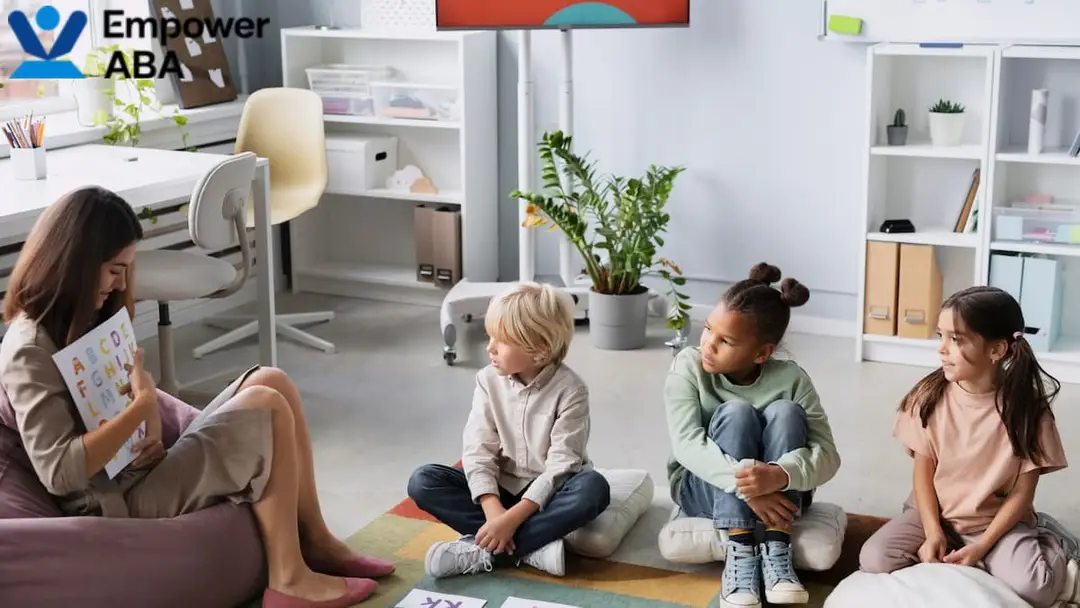
Key points:
- Families in Brooklyn, Queens, and the Bronx can access school-based ABA therapy through CPSE and CSE processes at no cost.
- Understanding IEP rights and school district processes helps parents secure the right ABA supports in NYC public schools.
- School-based ABA therapy in NYC includes direct services, BIPs, para support, and collaboration between BCBAs and teachers.
You want your child to be safe, supported, and actually learning at school. That sounds basic, but for families of children with autism in Brooklyn, Queens, and the Bronx, it can feel like a fight just to get the right services in place.
The good news is that ABA Therapy in New York Schools is a real, available option through the city’s public school system. The bad news is that you have to know how to ask for it.
School-Based ABA Versus Clinic-Based ABA: What’s the Difference
Clinic-based ABA happens in a dedicated therapy setting with controlled materials, structured programs, and a high therapist-to-child ratio. School-based ABA happens in the environment your child spends six or more hours a day in, with real teachers, real peers, real noise, and real academic demands.
Neither is objectively better. They serve different functions. Clinic-based therapy is often ideal for building foundational skills. School-based ABA excels at applying those skills in the setting where they matter for daily functioning, academic participation, and peer relationships.
For a child in a Bronx elementary school who’s struggling with transitions, classroom behavior, and peer interaction, having ABA support present in that actual classroom can make a measurable difference. Knowing how ABA therapists and schools work together helps families understand what to request and what to expect.
The CPSE Pathway for Preschoolers in Brooklyn and Queens
If your child is between 3 and 5 years old, the Committee on Preschool Special Education is your entry point into school-based ABA services. CPSE evaluations are free, and you’re entitled to request one in writing at any time.
After evaluation, the CPSE team meets to determine eligibility and develop an IEP. For children with autism, ABA therapy can be recommended in several forms:
- A specialized preschool program that uses ABA-based instruction throughout the day
- A related service of ABA therapy delivered by an approved provider, either in a center or in the home
- An integrated setting with additional ABA support and a paraprofessional
Parents of preschoolers in Brooklyn and Queens often find that the program options available vary by neighborhood and district. Don’t assume what’s closest to you is the right fit. You have the right to visit programs before agreeing to a placement. Understanding early signs of autism and acting on them early often determines how quickly a child can access services.
The CSE Process for School-Age Children in the Bronx and Staten Island
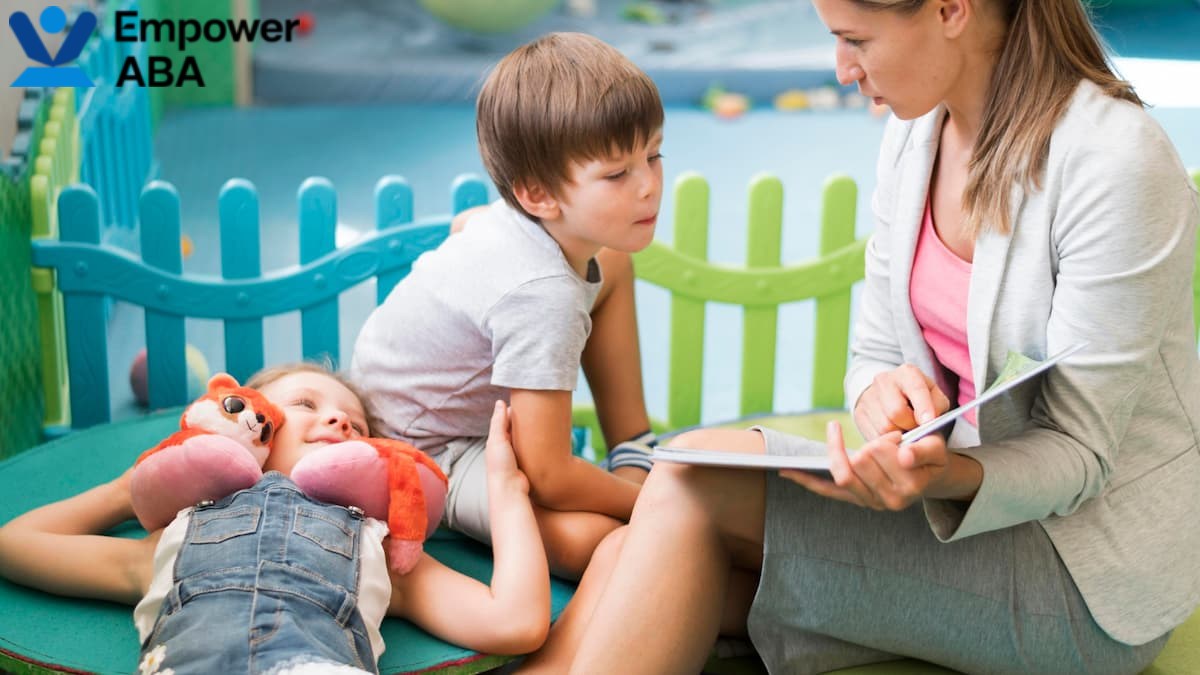
For children who have aged out of CPSE or are newly identified during elementary school, the Committee on Special Education handles eligibility and IEP development. Requesting a CSE evaluation also starts with a written referral. Once the DOE receives your consent, they have 60 days to complete the evaluation and hold a meeting. Keeping records and understanding how to coordinate ABA with your child’s IEP from the beginning prevents costly gaps in services.
Through CSE, school-based ABA support in the Bronx and Staten Island can include:
- Direct ABA sessions with a BCBA or RBT during the school day
- A Behavior Intervention Plan that guides all staff in responding to challenging behaviors consistently
- A 1:1 paraprofessional trained in ABA strategies to support the child throughout the school day
- Consultant model: a BCBA visits regularly to support the classroom teacher and review data without delivering direct instruction
The type of support in the IEP should match what’s actually needed, not what’s cheapest or easiest to staff. This is where knowing your rights matters.
What Goes Into a Behavior Intervention Plan at a NYC School
A Behavior Intervention Plan, or BIP, is a document developed by a BCBA that outlines how school staff should respond to specific challenging behaviors. It includes a hypothesis about why the behavior is occurring, proactive strategies to prevent it, and replacement behaviors to teach instead.
Every school with an autistic student exhibiting significant behavior challenges should have one. Understanding behavior intervention plans in ABA arms parents with the knowledge to evaluate whether the one written for their child is actually adequate.
A weak BIP often looks like: “When the student becomes agitated, redirect them to a quiet area.” A strong BIP includes specific antecedent modifications, function-based replacement skills, reinforcement systems, and crisis procedures. The difference in child outcomes between these two approaches is significant.
Parents have the right to participate in developing the BIP and to request revisions if it isn’t working. If your child’s behavior is escalating at school despite a BIP being in place, it’s worth asking whether the plan reflects current data. Managing aggressive and challenging behaviors with ABA covers the evidence-based approaches that should inform school practices.
District 75 Programs: NYC’s Specialized ABA School Placements
District 75 is the citywide NYC DOE district for students with the most significant needs, including many children with autism. It operates programs across all five boroughs in co-located buildings within general education schools.
District 75 classrooms are specifically designed for students who cannot access the general curriculum even with significant supports. Class sizes are small (8:1:1 or 6:1:1), and the curriculum uses ABA-based instructional methods throughout the day. If your child needs this level of structure and intensity, a District 75 placement may be more appropriate than a community school with push-in support.
Requesting a District 75 evaluation doesn’t mean your child will automatically be placed there, and a District 75 placement doesn’t mean your child will stay there forever. These are reviewed annually. School readiness for learners with autism is a useful reference for families thinking about a long-term educational trajectory.
How to Get More ABA Support Than the School Is Providing
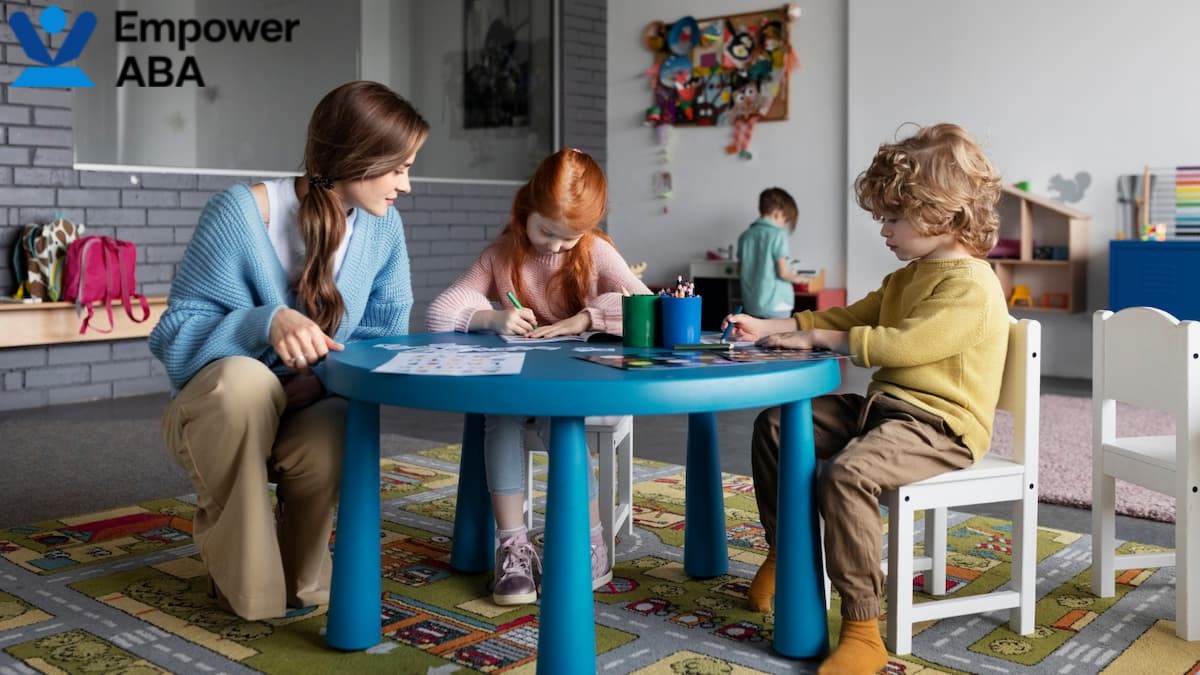
This is the practical question most families eventually reach. The school says your child’s needs are being met. Your gut, and the data, say otherwise. There are a few paths forward. First, request the data. Every IEP service should have measurable goals and data collected to track progress.
If a school can’t show you data, that’s a problem. Second, request a program review from the CSE if you believe the current program isn’t appropriate. Third, consider seeking an independent neuropsychological evaluation to document your child’s needs more precisely. Checking whether ABA is backed by science equips you with evidence when advocating to school teams.
If the school refuses to add services you believe are necessary, you can request mediation through the State Education Department or file an impartial hearing. The process is designed to be accessible to families, not just lawyers, though having a parent advocate with you can make a significant difference.
Frequently Asked Questions
Can I request a specific ABA provider to come into my child’s school in NYC?
You can request that an outside ABA provider be written into your child’s IEP as a related service. Whether the DOE approves this depends on their ability to provide the service directly. If they cannot, they’re obligated to arrange an approved provider.
What’s the difference between a 12:1:1 class and a 6:1:1 class in terms of ABA support?
A 6:1:1 class has 6 students, 1 teacher, and 1 paraprofessional, indicating a higher level of need. These classes tend to use more intensive ABA-based instruction. The ratio reflects both class size and the severity of student needs.
How do I know if my child’s paraprofessional is actually trained in ABA strategies?
You can ask directly at the IEP meeting. Paraprofessionals working in ABA-informed settings should ideally be RBTs or working toward certification. Ask who supervises them and how often BCBA oversight occurs.
Can my child receive both school-based ABA and private ABA therapy at the same time?
Yes. Many families supplement school services with private ABA therapy after school hours or on weekends. Coordination between the school BCBA and private provider helps ensure consistency across settings.
What if the school says my child doesn’t need a BIP?
If your child’s challenging behaviors are affecting their ability to access education, a functional behavioral assessment and BIP are often required under IDEA. You can request one in writing. If the school declines without justification, this is worth escalating.
Your Child Belongs in a Classroom That Actually Works for Them
School should be where your child grows, not where they just survive the day. Empower ABA works alongside families in Brooklyn, Queens, and the Bronx to help their children access school-based ABA supports through CPSE and CSE, and to ensure those supports actually show up in the classroom.
From IEP advocacy to direct school services, your child deserves a program built around their needs, not around what’s convenient. Let’s make sure their school day counts. Reach out today and find out how we can help you push for the services your child is entitled to.